


Commentary
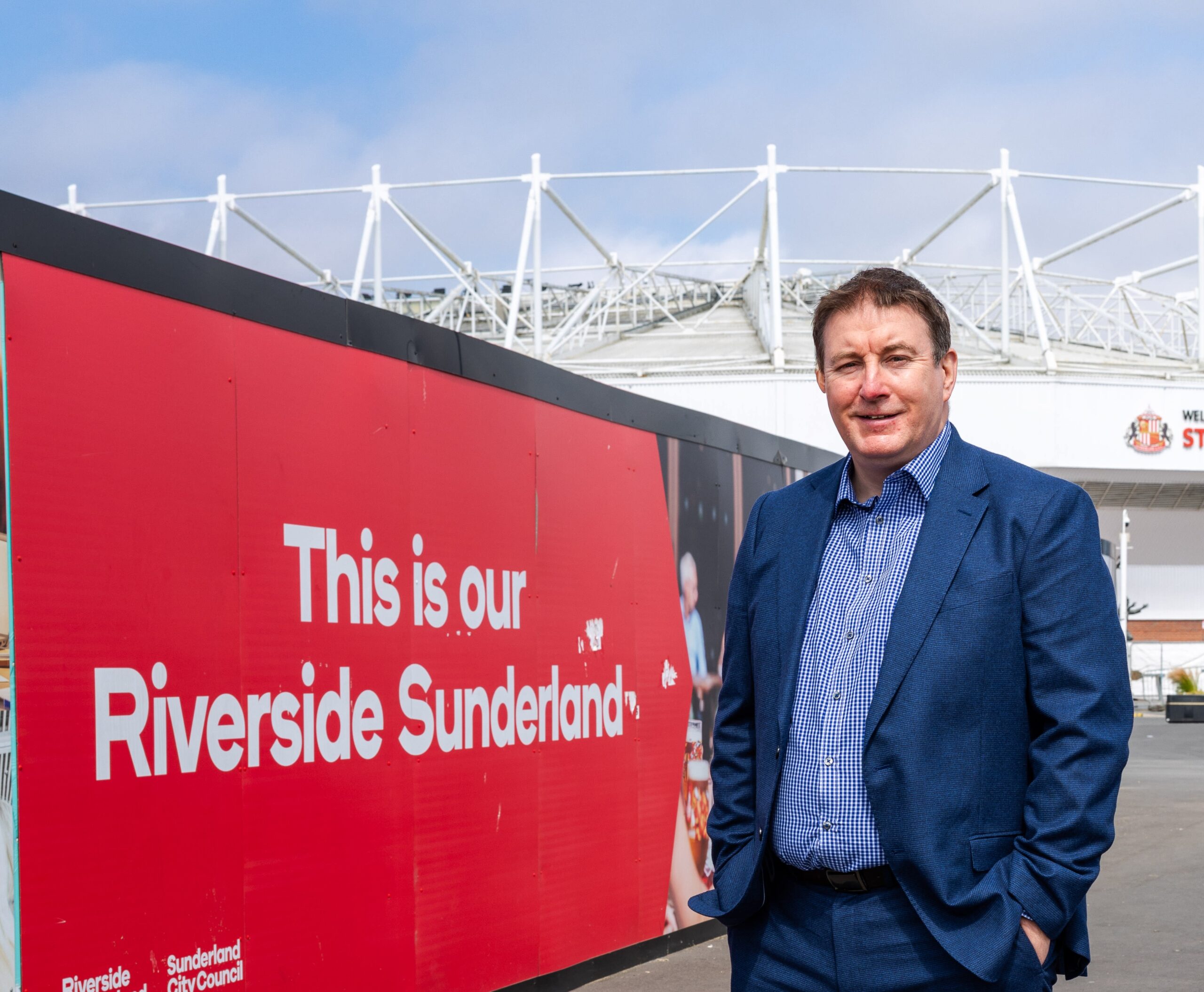
Q&A with Vistry’s Sean Egan
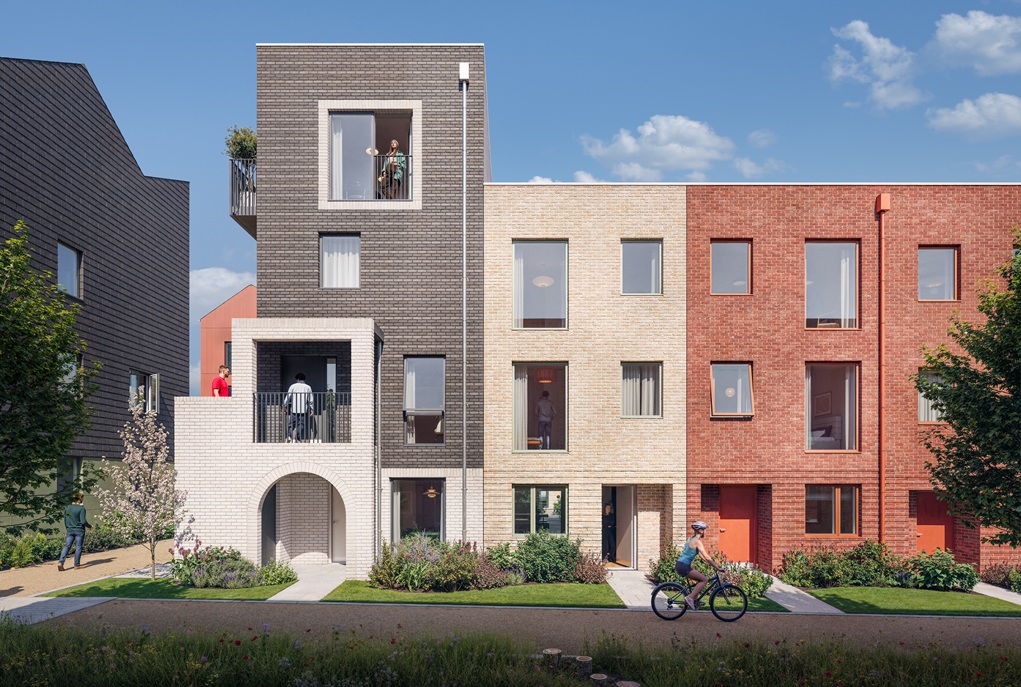
The high-profile housebuilder’s Sheepfolds development in Sunderland will create 350 homes, using £27.7m from Homes England, and £10m from the North East Mayor Kim McGuinness. Place North East sat down with Vistry’s regional MD to talk markets, viability and city centre revival.
How important is public sector funding in brownfield regeneration schemes?
Public sector funding can be critical in unlocking complex brownfield regeneration schemes, particularly in the North East, where values can be challenging and developers face the same inflationary cost pressures as elsewhere.
Sheepfolds does not yet benefit from the established market evidence or pricing levels found in more mature locations. Therefore, development viability cannot currently be supported through sales revenues alone.
Investment from Homes England and Sunderland City Council supports viability, de-risks delivery, brings forward infrastructure, accelerates housing supply and creates confidence for private investment. As the neighbourhood matures, reliance on grant funding can then reduce for subsequent phases.
Elsewhere in the North East, our work with the Gateshead Regeneration Partnership has already demonstrated how long-term public and private sector collaboration can unlock sites that would otherwise struggle to come forward.
However, regeneration cannot be driven solely by revenue growth. There must be a balance between creating value for continued investment and ensuring new homes remain accessible and affordable to local people.
What makes the public-private partnership model more effective than a traditional developer-led approach on sites like Sheepfolds?
From a construction and development perspective, Vistry could deliver Sheepfolds alone. However, successful regeneration is about more than delivering homes. Projects such as Sheepfolds succeed because they form part of a coordinated strategy that creates jobs, attracts investment, improves connectivity and establishes a sense of place.
Without Sunderland City Council’s strategic vision, leadership and investment in Riverside Sunderland, Sheepfolds would be unlikely to command the market confidence required.
The private sector brings development expertise, commercial discipline, delivery capability and an understanding of market demand. The public sector brings long-term vision, place leadership, land assembly powers and investment in enabling infrastructure.
What are the biggest delivery risks at Sheepfolds, and how are they being managed?
One of the most significant risks is coordinating Network Rail approvals and requirements with the wider development programme. We work with Sunderland City Council and Network Rail through a structured programme to identify issues, agree solutions and minimise delays.
Other risks include infrastructure and utilities delivery, enabling and remediation works, site preparation, technical approvals and maintaining viability in a challenging market. Sheepfolds must also integrate seamlessly with the wider Riverside Sunderland masterplan.
Homes England’s investment is designed to address these challenges by supporting infrastructure and enabling works. Our experience shows that successful regeneration depends on identifying risks early, managing them collaboratively and maintaining a long-term commitment to place.
The challenges presented by Sheepfolds are consistent with those we have managed across several North East regeneration schemes, including those led by the Gateshead Regeneration Partnership, and redevelopment of the former Sunderland Civic Centre site.
What are the common challenges found across the region and also the biggest opportunities?
The main challenges for housebuilding in the North East include planning timescales, build costs, infrastructure requirements and fluctuating consumer confidence.
However, the North East also offers enormous opportunities. It has strong city centre regeneration prospects, significant brownfield land, improving transport connections, investment in advanced manufacturing, clean energy and technology, and ambitious local authorities.
The region needs delivery partners that can bring these elements together through experience, patience, commercial realism and partnership working.
Our work in Sunderland, including West Park Quarter and Sheepfolds, and through the Gateshead Regeneration Partnership, demonstrates our understanding of the opportunity to transform more brownfield sites into sustainable, mixed-tenure communities that support local economies.
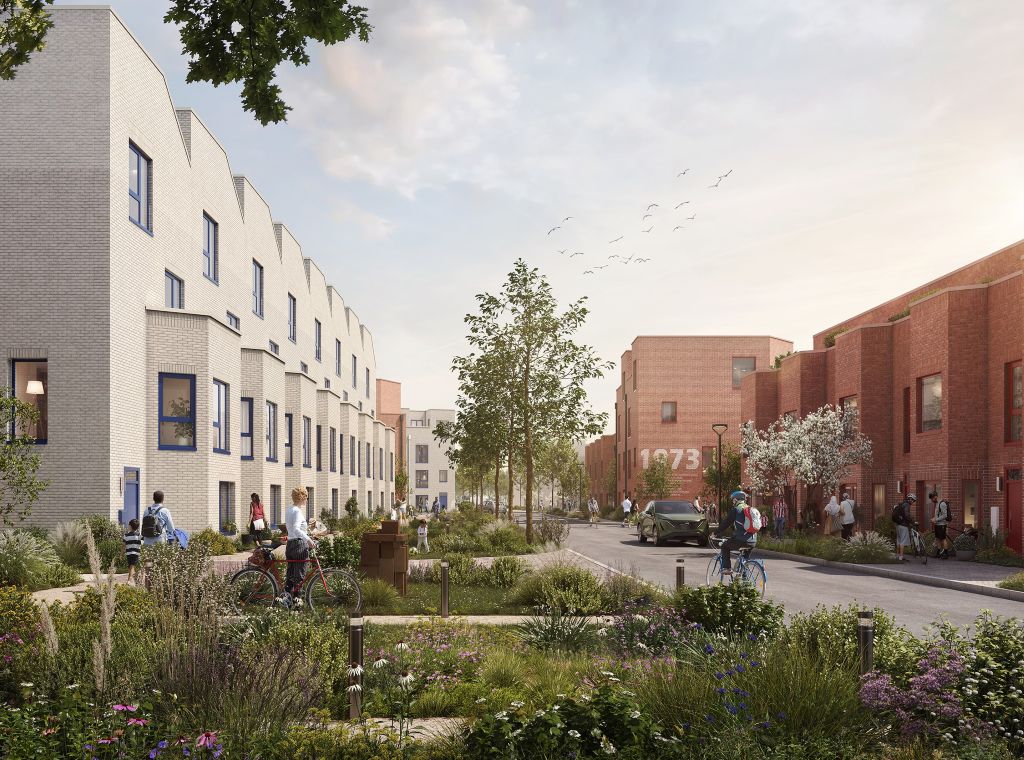
The residential neighbourhood will be located adjacent to the Sheepfolds Stables leisure development and benefit from improved connectivity provided by the Keel Crossing. Credit: SEC Newgate
How do developments such as Sheepfolds contribute in terms of attracting investment and supporting city centre growth?
Sheepfolds is part of the wider Riverside Sunderland regeneration programme, which is also creating new workspaces, leisure facilities and public spaces.
It will help create the critical mass city centres need. More people living in central Sunderland means greater demand for shops, restaurants, leisure, services and employment space. That supports business confidence and makes the city more attractive to investors.
Successful regeneration projects can attract further investment into the North East. Institutional investors increasingly seek locations with strong public-sector leadership, a clear long-term vision and evidence of growing market demand.
This creates a virtuous cycle in which regeneration drives investment, investment drives growth, and growth creates greater choice and opportunity. Sheepfolds is helping to reshape perceptions of Sunderland as a place to live, work, invest and grow.
How is Vistry handling market headwinds while maintaining momentum on large regeneration schemes?
Our partnerships strategy, including affordable housing delivery, helps manage development risk and enables construction to continue in challenging market conditions.
We have recently been awarded a £350m direct grant through the Government’s Social and Affordable Homes Programme. This will support delivery of more than 3,000 affordable homes and underlines confidence in Vistry’s track record.
Our pipeline, partnerships and forward orders remain strong, and our priority is to deliver high-quality homes and maintain long-term partnerships.
The underlying need for high-quality homes remains strong, particularly in well-connected locations with a clear regeneration strategy.
Looking more broadly across the North East, where do you see the biggest regeneration opportunities over the next five to 10 years?
The biggest opportunities are in brownfield regeneration, city centre living and the renewal of former industrial areas.
Our focus will remain on public-private partnerships, and we are already engaging with councils across the region to share our expertise and experience.
The most valuable regeneration opportunities are often the hardest to unlock. They require partners that can work patiently with councils, Homes England, registered providers and communities to turn underused public land, former industrial sites and stalled neighbourhoods into deliverable mixed-tenure places.