


Sembcorp probes 1m sq ft Wilton International data centre
The energy company is eyeing up the possibility of turning 38 acres of its Teesside industrial site in Redcar into a ‘next generation’ campus, alongside digital infrastructure specialist Digital Reef.
Working with planning consultant Heatons, the Singapore-headquartered company has submitted a request to the council to determine whether an Environmental Impact Assessment would be necessary for a planning application to progress.
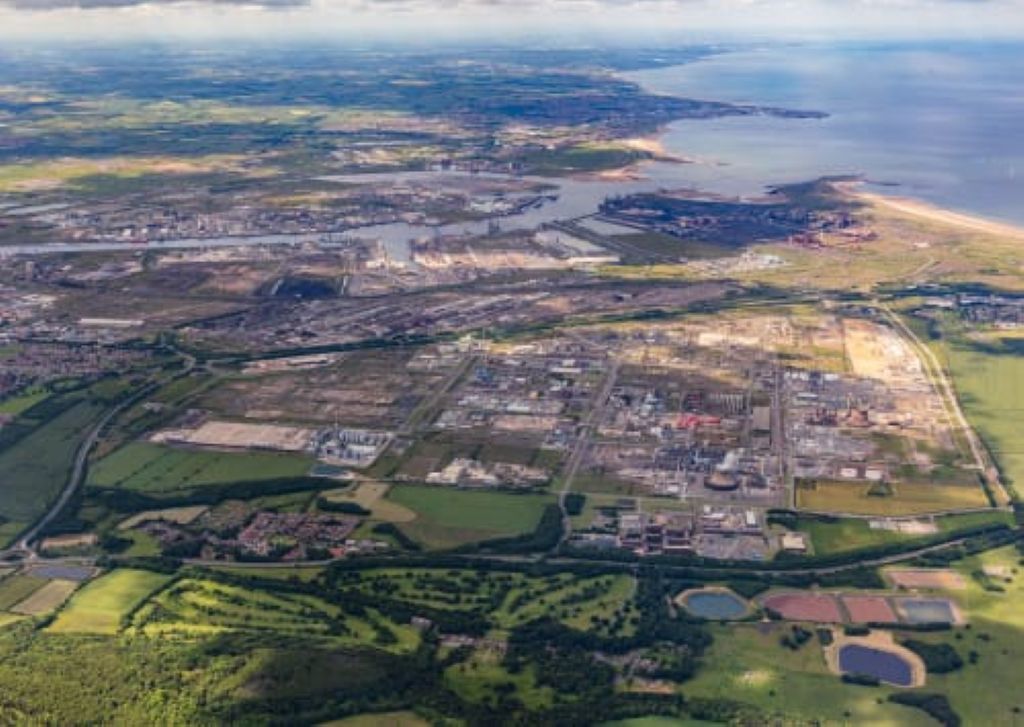
Wilton International is a 2,000-acre industrial park in Teesside owned and managed by Sembcorp, which focuses on clustering sectors including energy intensive manufacturing, chemicals, and sustainable technologies at its site, which has the UK’s largest private-wire electricity grid and four power generation units using multiple fuel types.
Digital Reef, meanwhile, has a self-proclaimed mission to develop a sustainable data centre platform that can be scaled globally.
The two companies have formed a joint venture to deliver Wilton Data Centre, which would be optimised for high performance computing, artificial intelligence, and machine learning workloads.
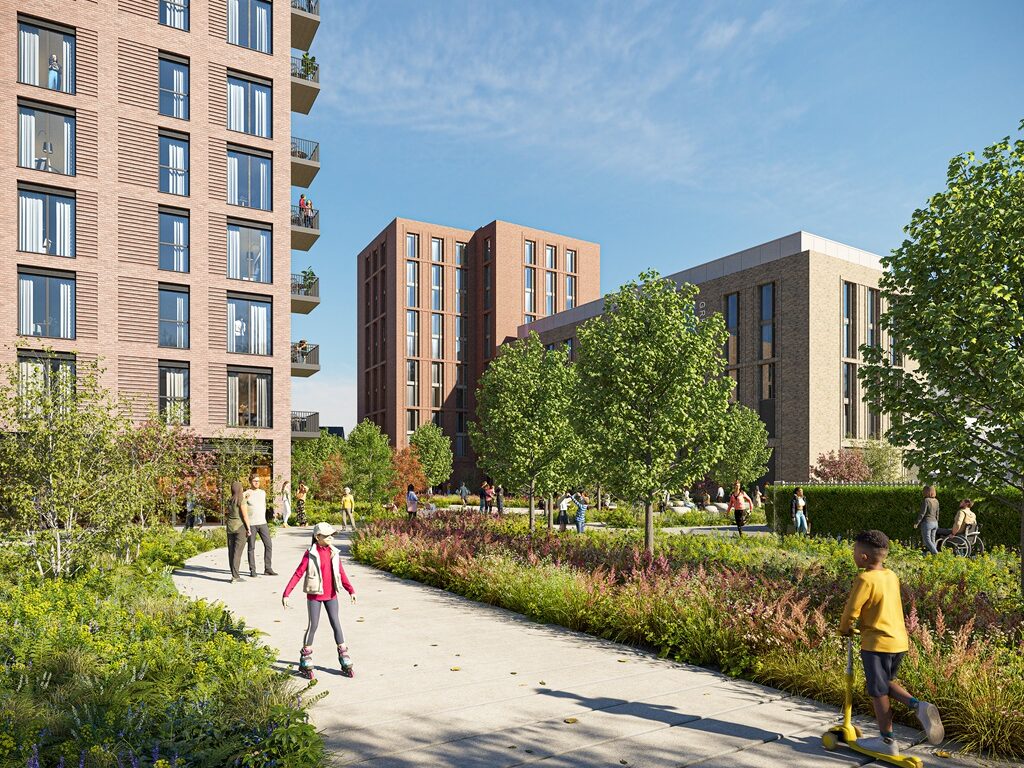
Designed to deliver up to 260MVA of capacity, the campus itself would comprise up to three main data centres and ancillary infrastructure, including generators, electrical plant and chillers.
The site would be powered using available capacity from the existing Greystones Substation to the south, with cables entering through existing service corridors along the southern boundary.
The brownfield site lies towards the north western edge of Wilton International, approximately 4.3km south west of the centre of Redcar and approximately 6.3km from the centre of Middlesbrough.
While data centres are often accused of providing a low number of jobs to a community, the screening request from Heatons specifically mentions that between 600-1,000 jobs would be created during the construction phase, which would last between 18-36 months.
A targeted 50% of these would be from the local area.
Once operational, it is estimated the data centre campus would require around 200 permanent staff, with a target of 90% of these sourced from the local vicinity.
The report goes on to note that the development would provide local apprenticeships and upskilling for staff in electrical, mechanical, cooling facilities, and IT operations, and that between 200-500 indirect jobs could arise through the supply chain.
In terms of sustainability measures, the proposed data centre would reduce cooling-related water consumption through the harvesting of rainwater collected from building roofs for reuse within the site’s cooling systems.