


Event Summary
MIPIM GALLERY | Unlocking growth through regeneration at the urban fringe
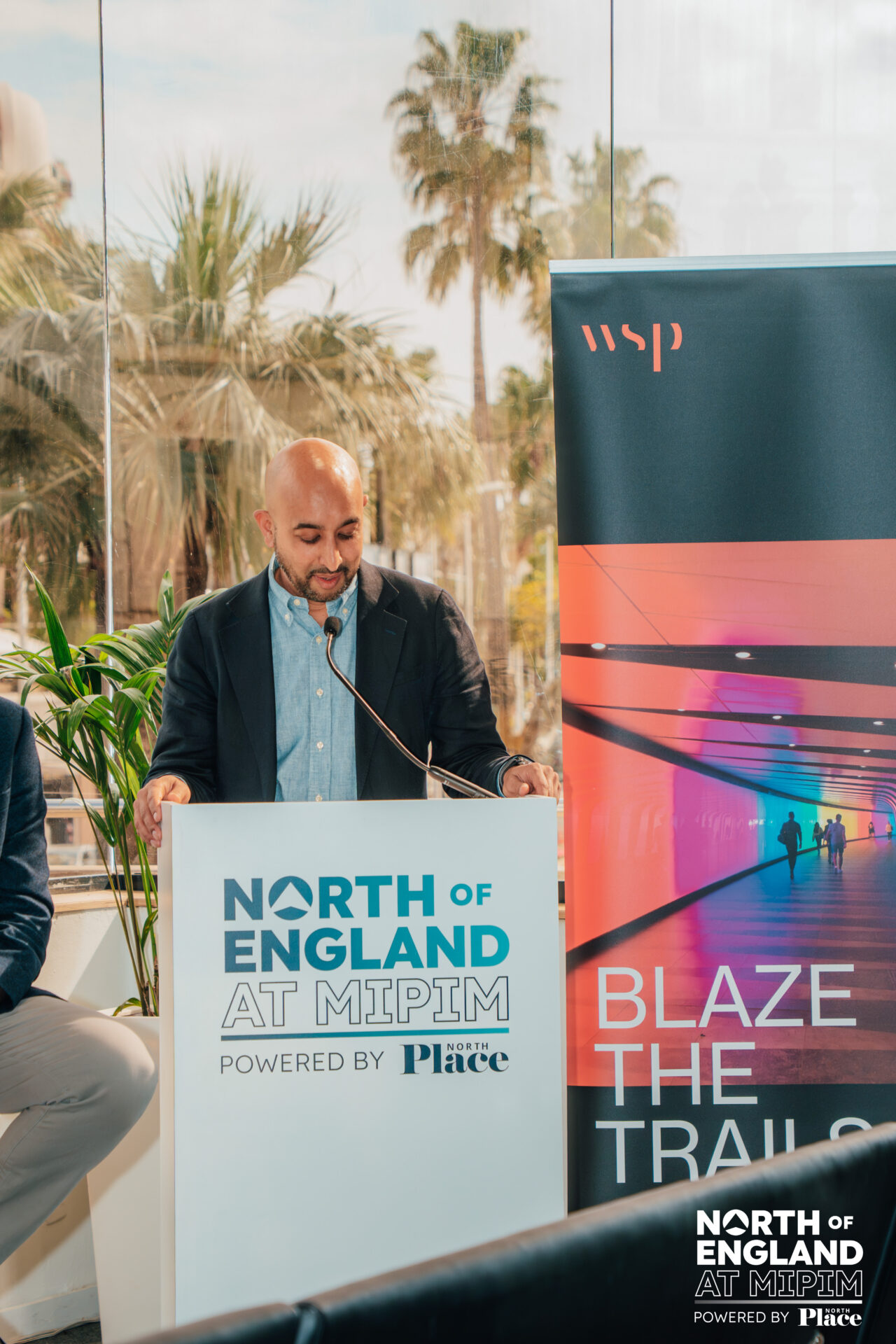
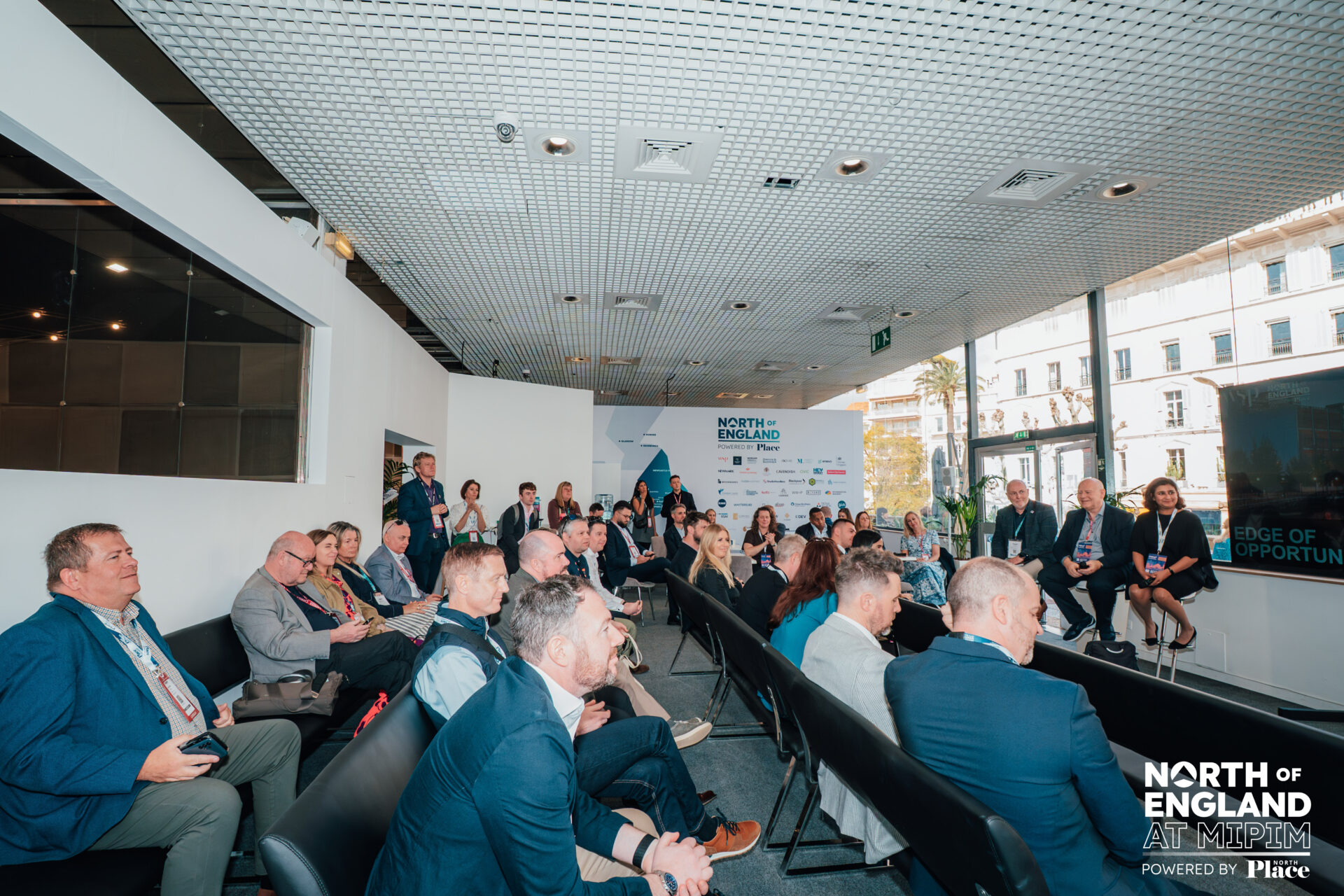
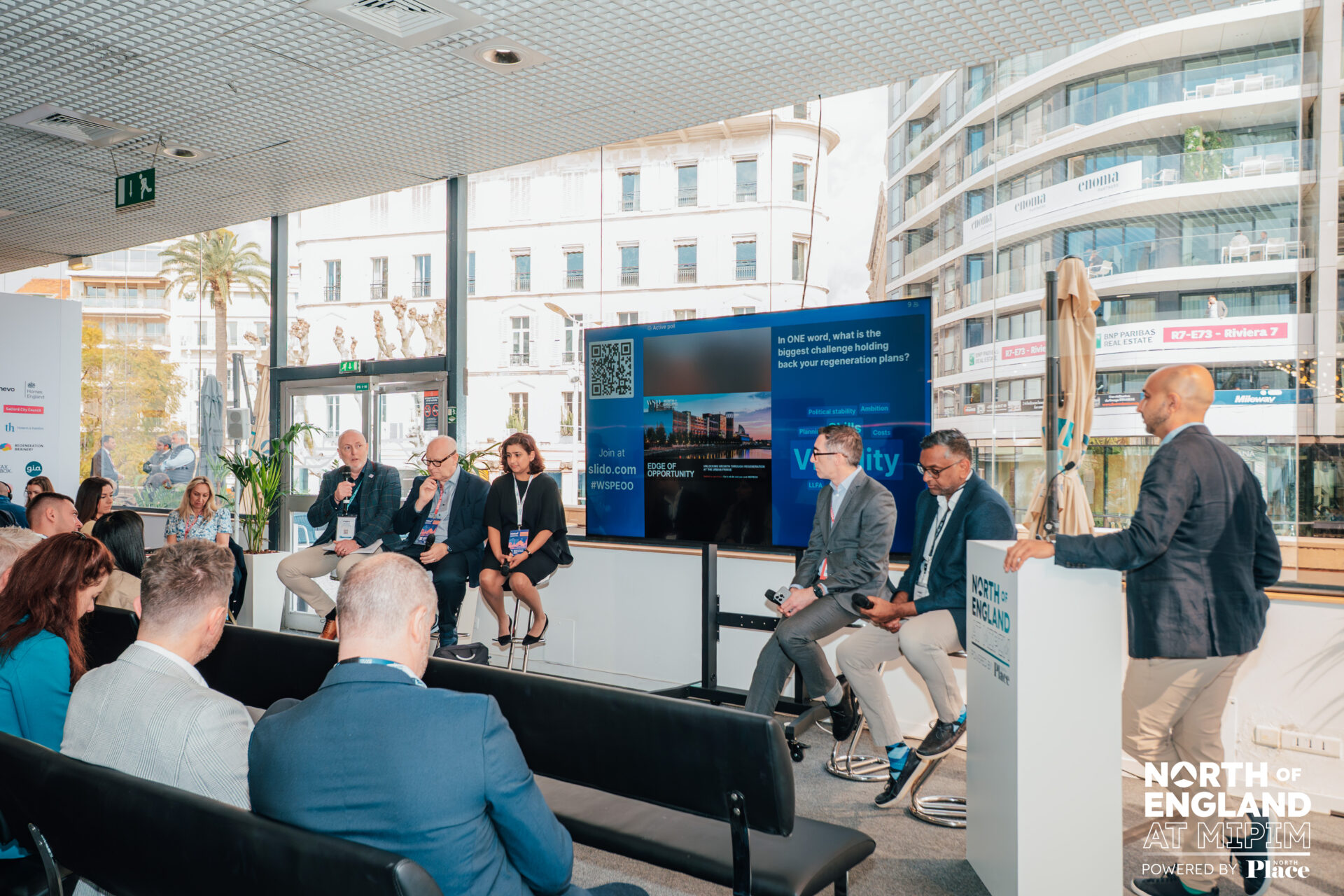
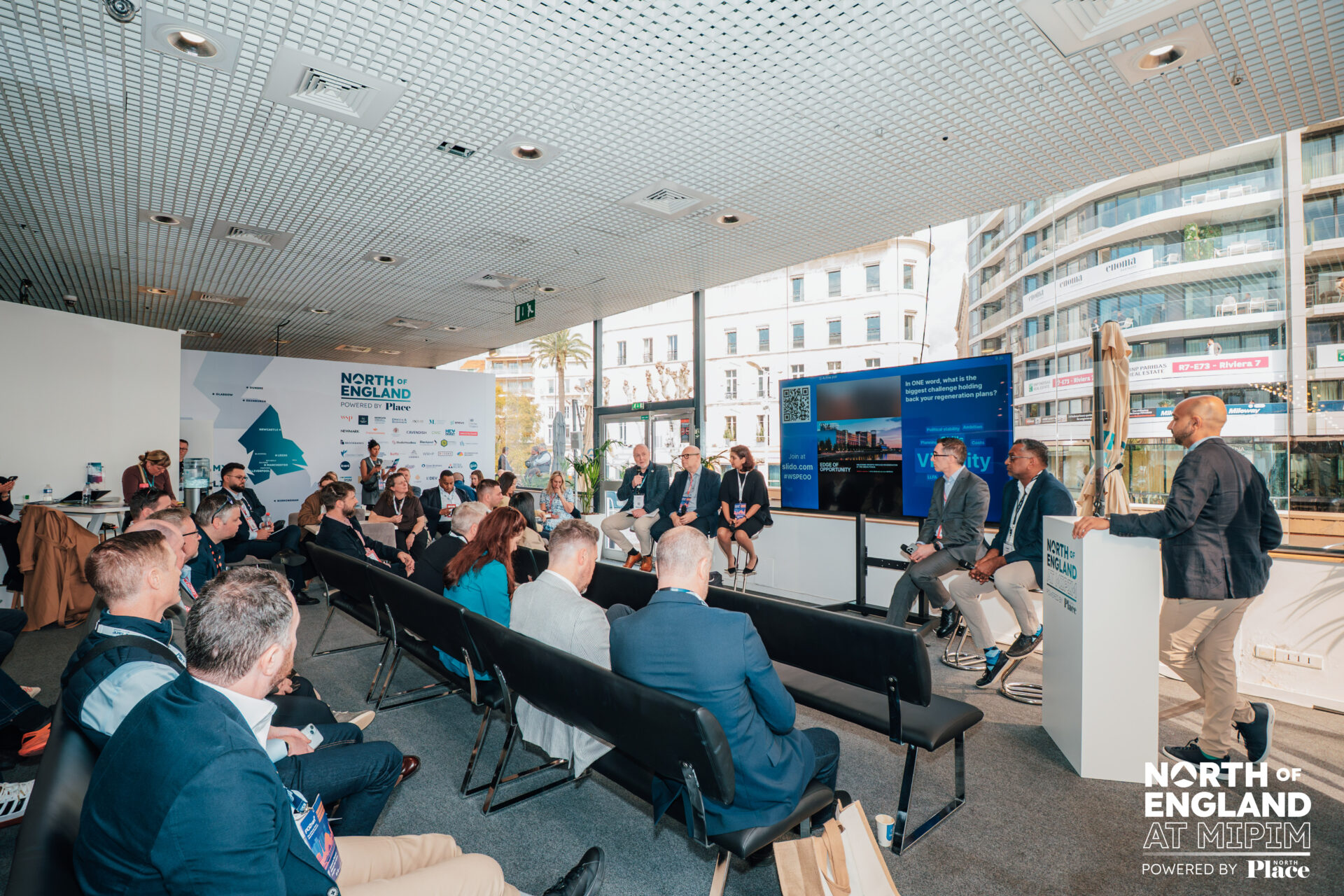
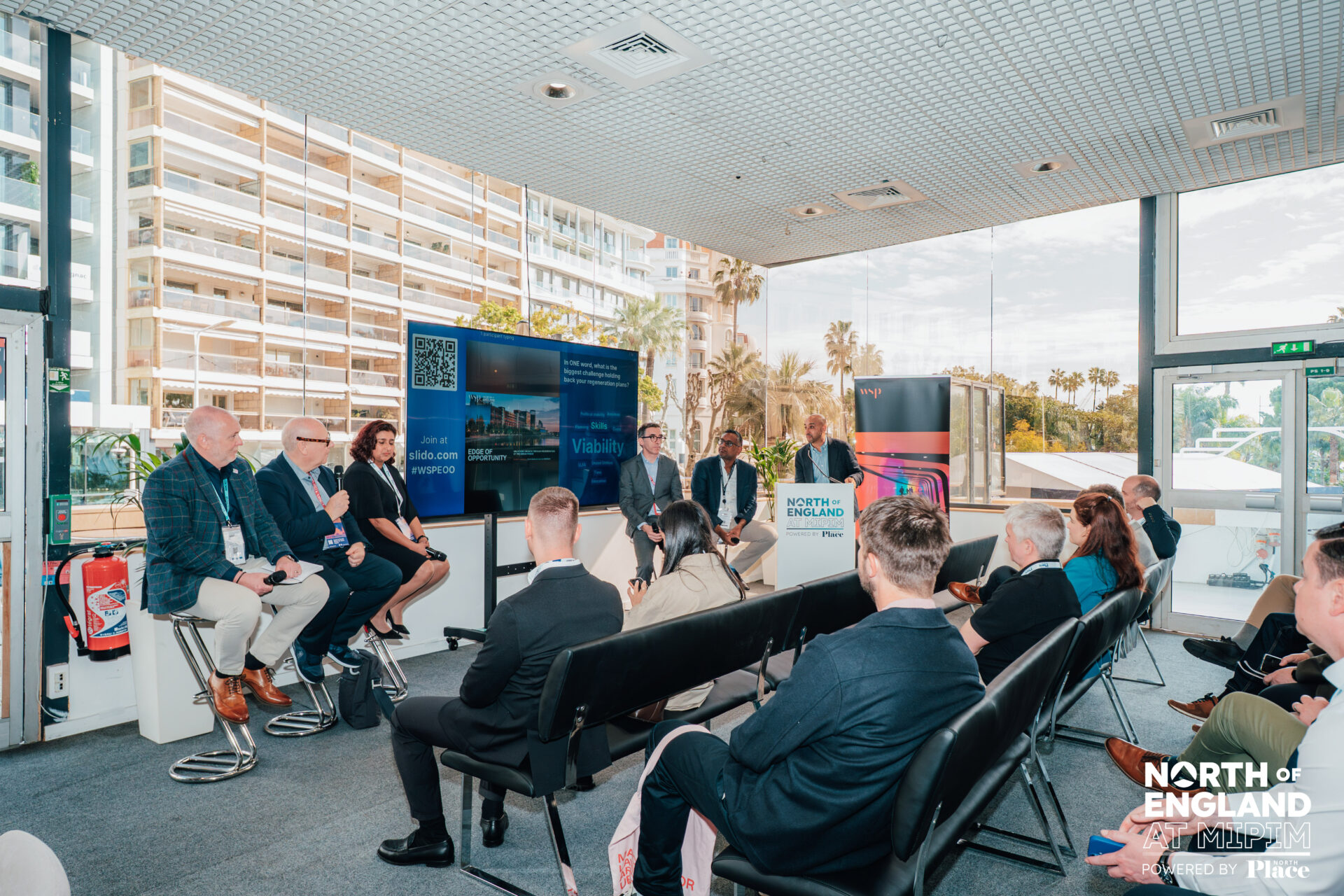
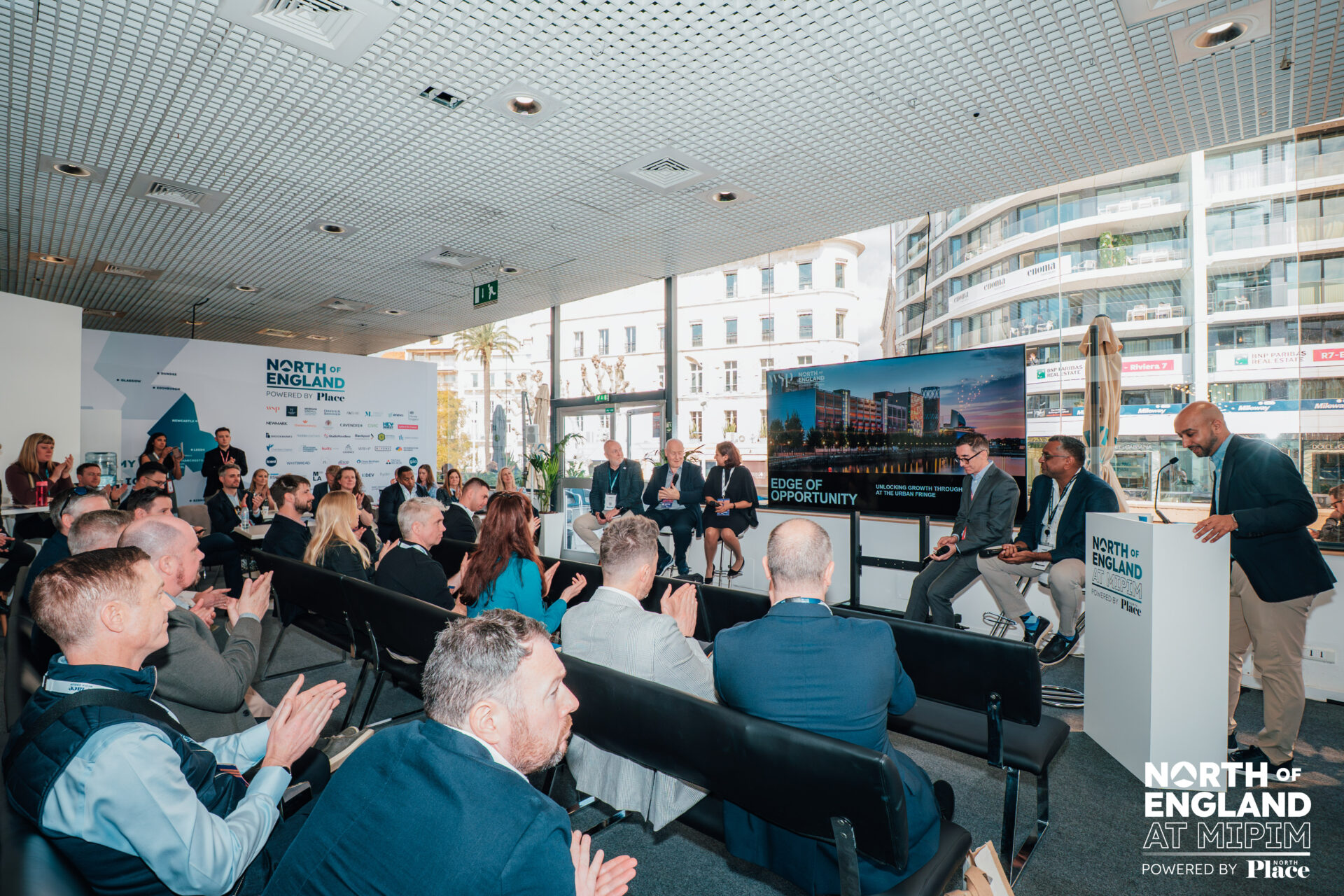
There may be no simple solution for resolving viability issues, but with enough grit, determination, and creative thinking it is possible to move the needle on housing delivery – that was the consensus from an engaging MIPIM session on Thursday hosted by WSP on the North of England Suite.
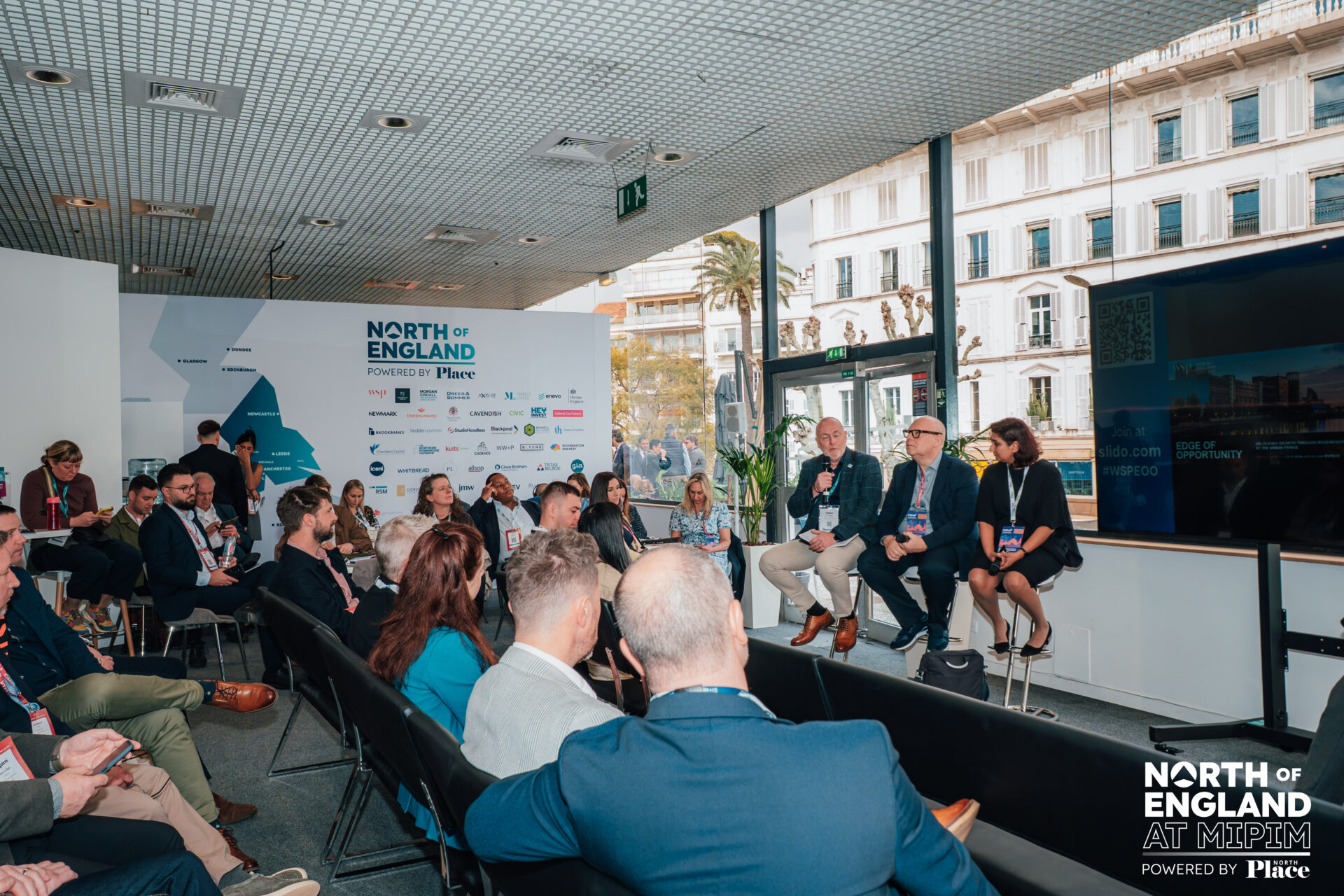
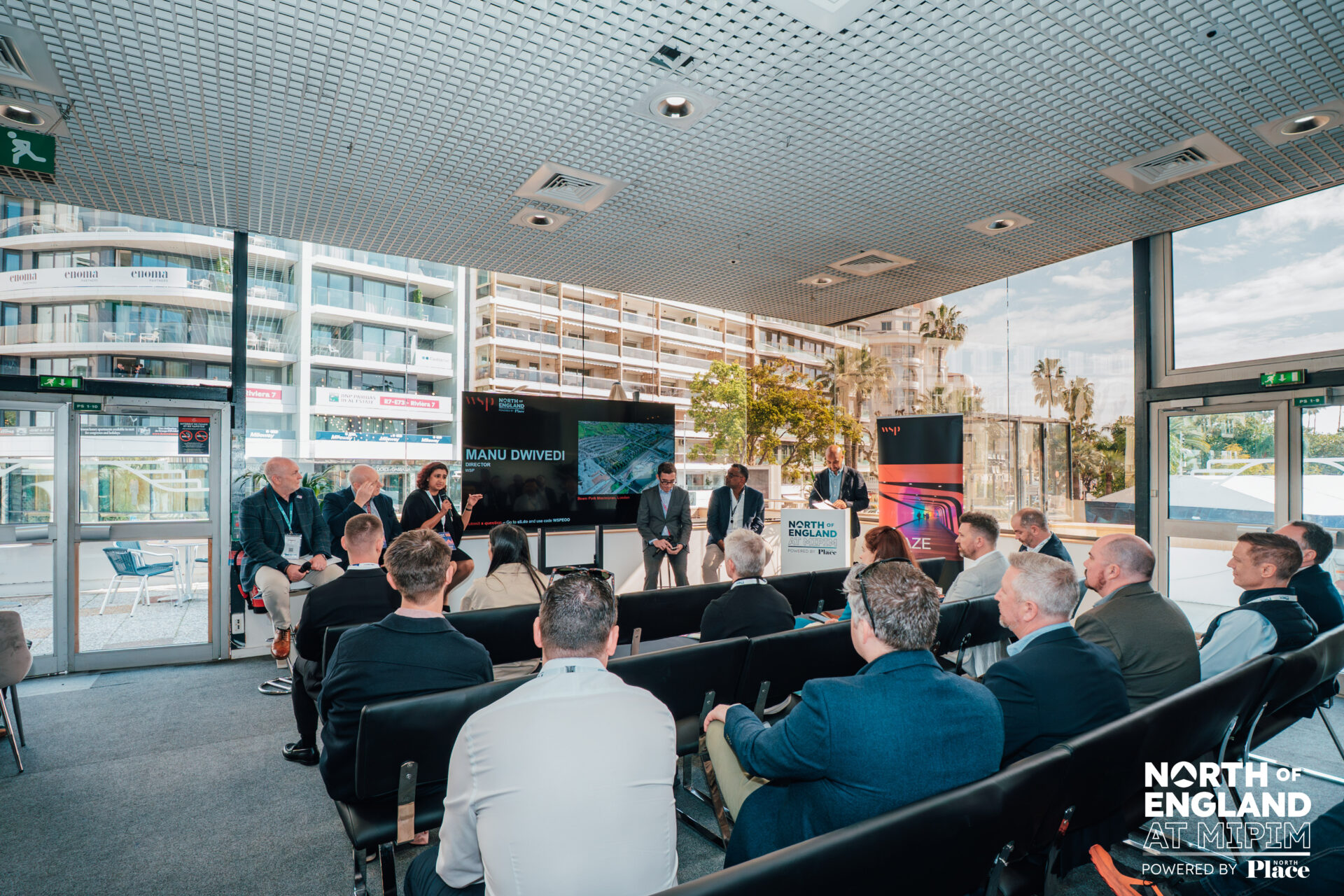
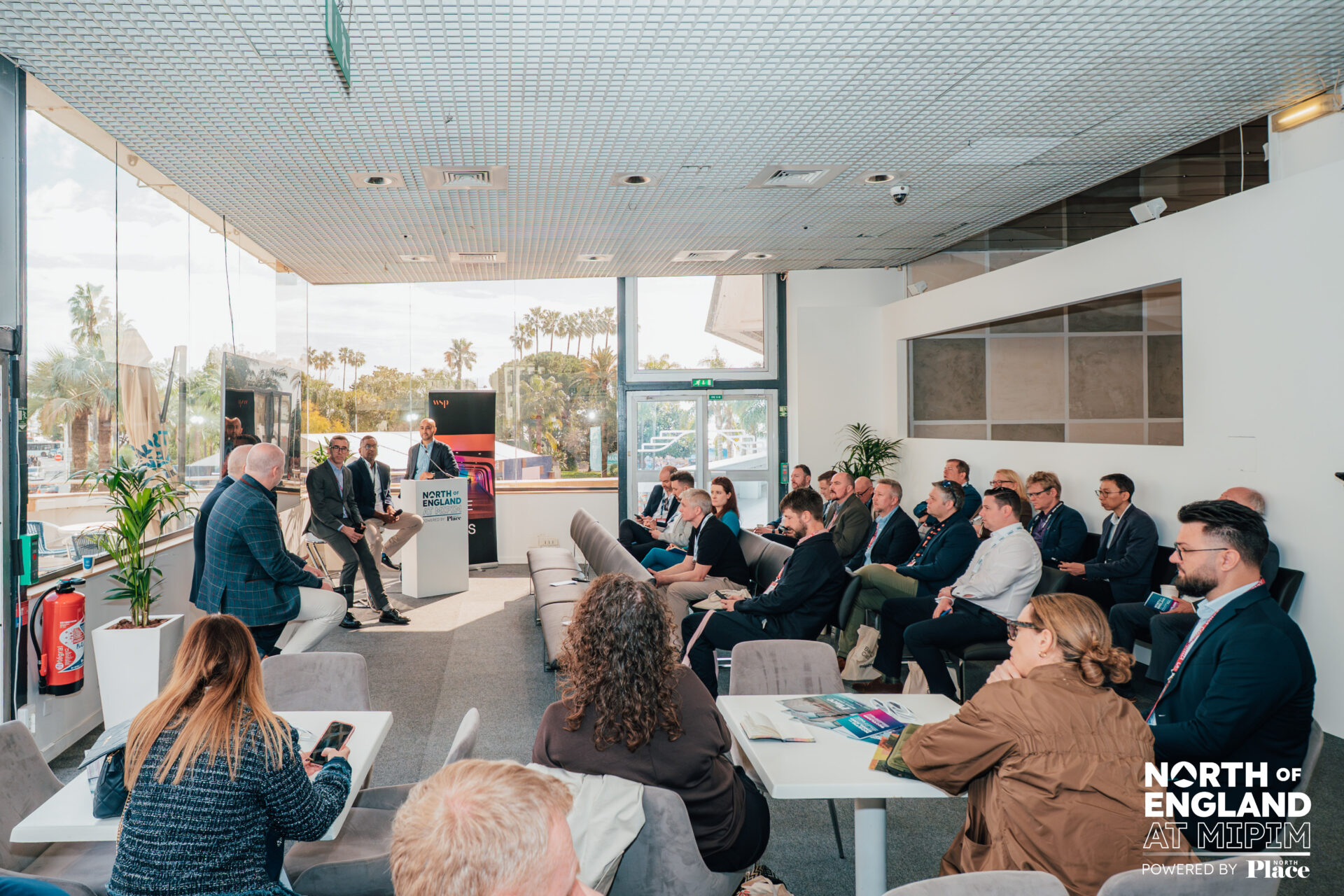
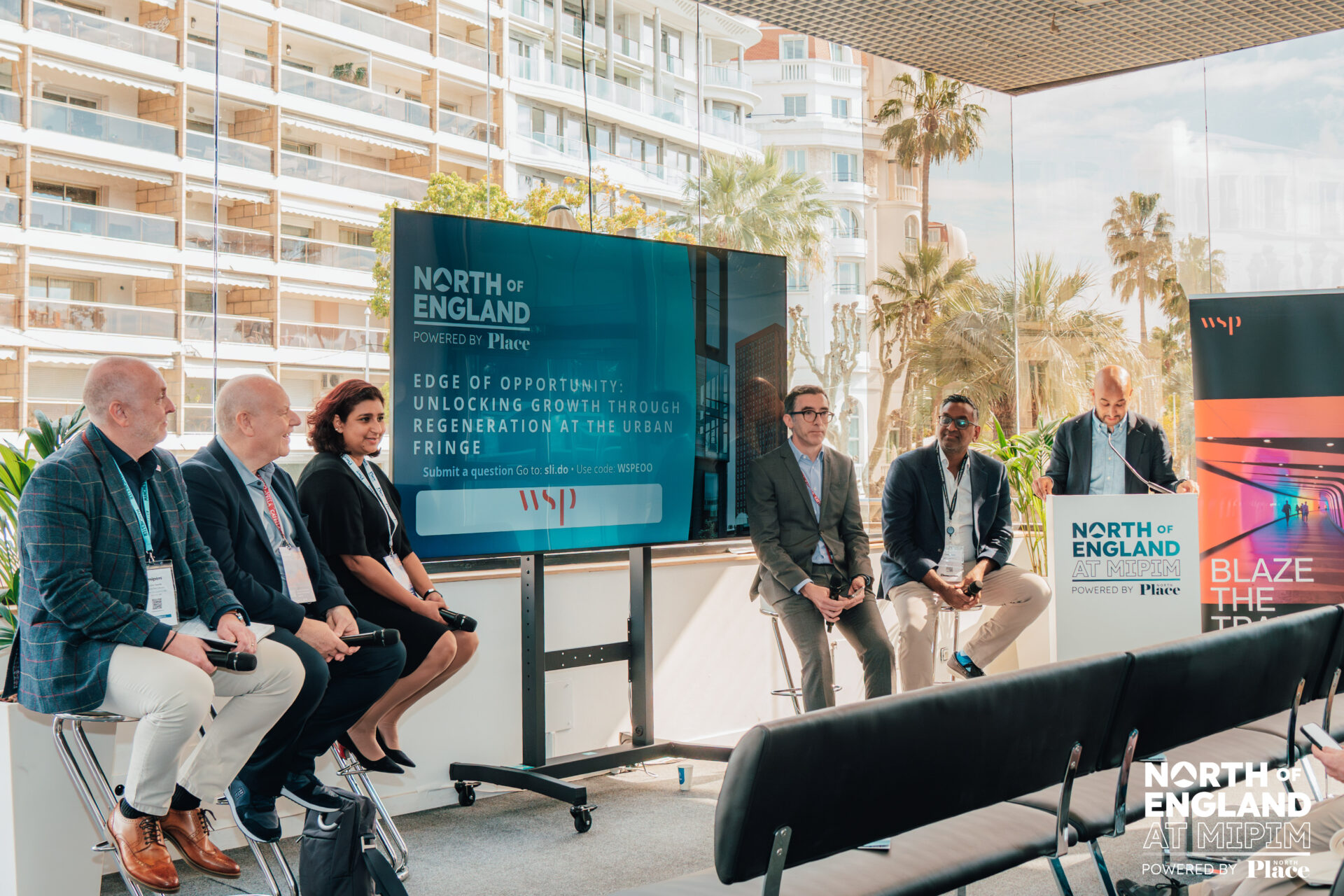
Edge of Opportunity: Unlocking growth through regeneration at the urban fringe brought together experts from across the built environment – both public and private sector – to weigh in on how investment in the areas outside of major cities can deliver meaningful change and create places that make a difference.

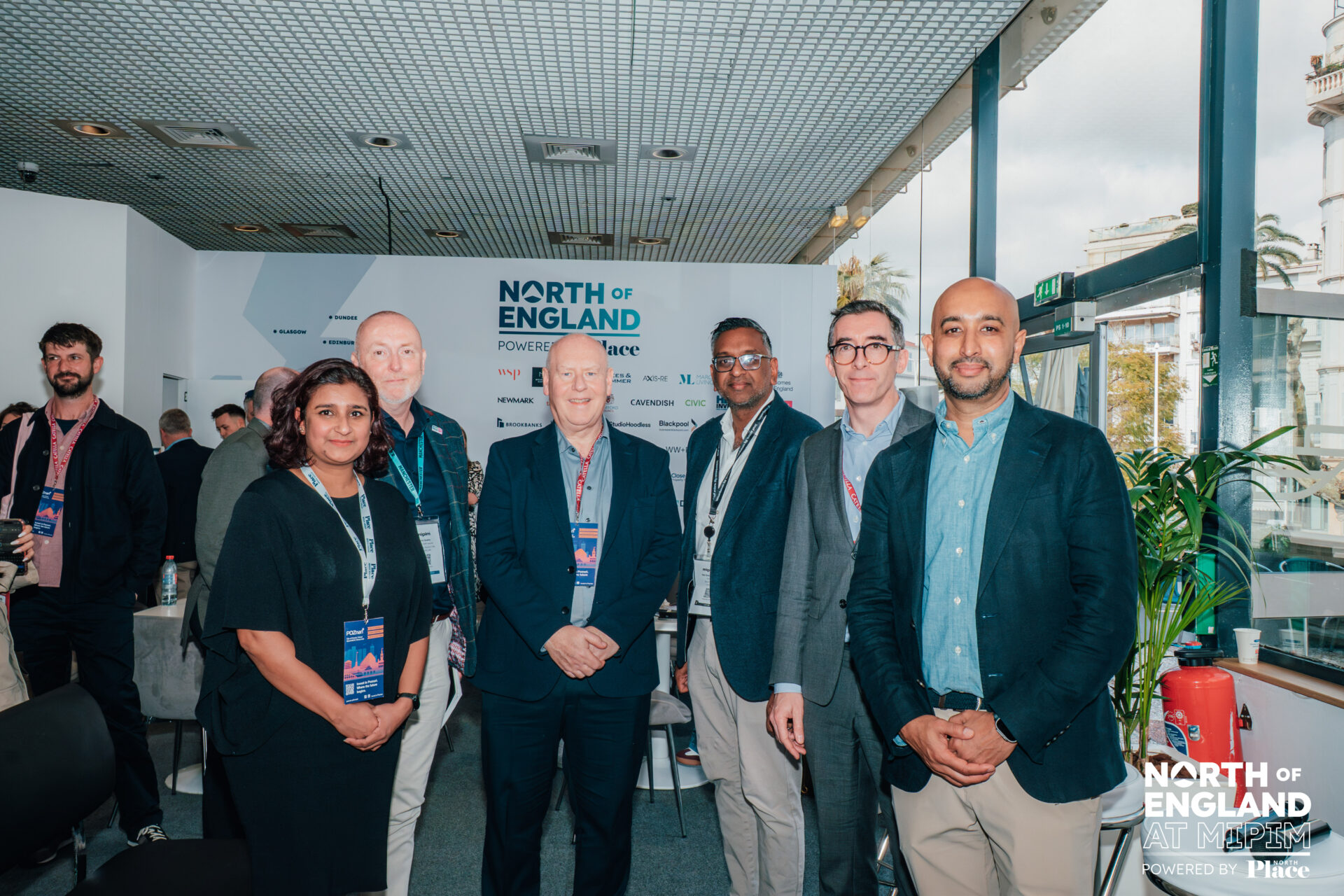
Expert speakers
- Alex Ely, founder and director of Mae Architects
- Manu Dwivedi, director of transport planning at WSP
- Steve Parry, managing director of Ion Developments
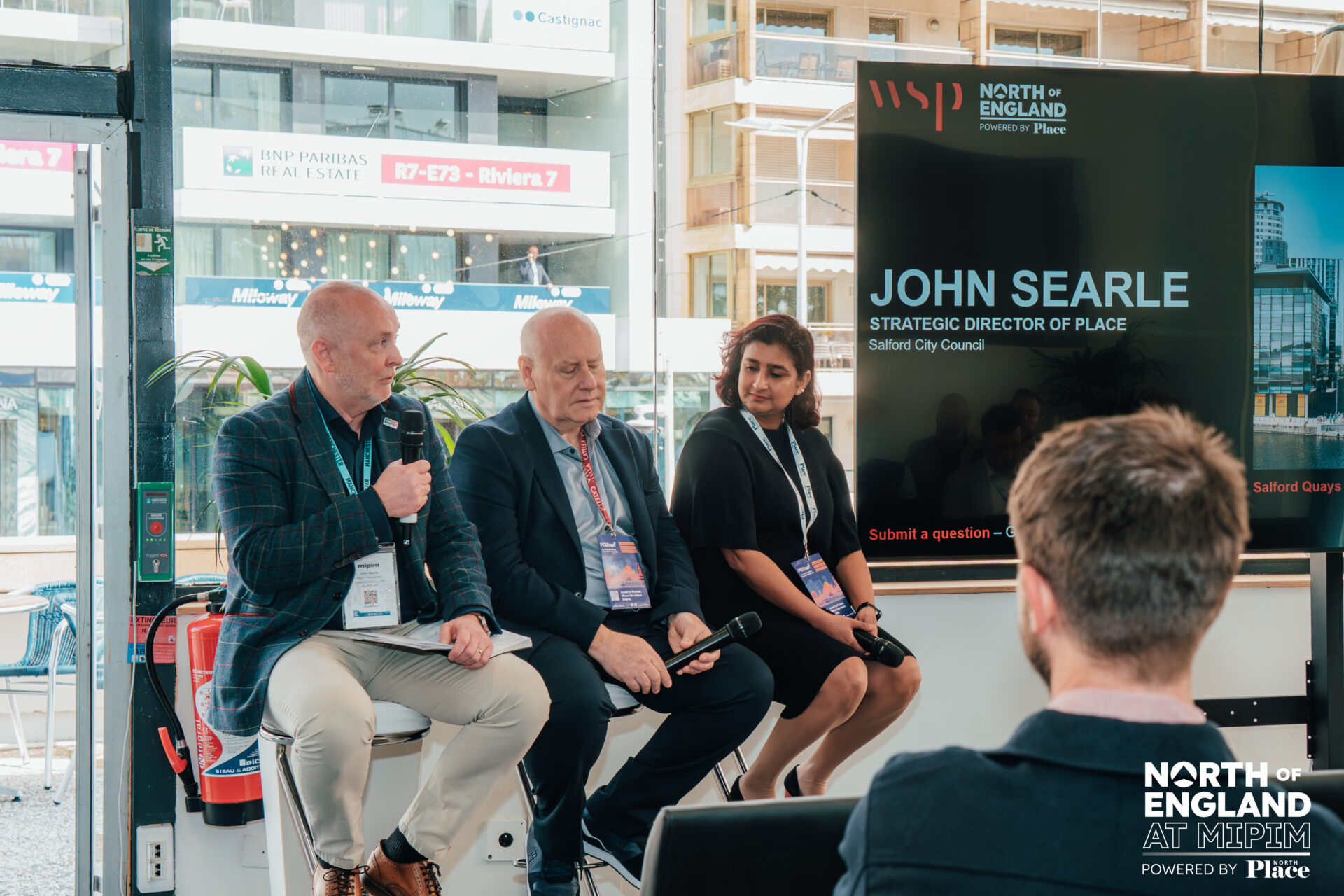
- John Searle, deputy chief executive of Salford City Council
- Hari Sothinathan, partner at Deloitte
- Chaired by Rahul Patalia, director of growth and regeneration at WSP
WSP’s Rahul Patalia opened the discussion by encouraging those in the audience to share one word that sums up the obstacles they foresee when it comes to delivering regeneration projects. Viability topped the list.
What followed was a genuine discussion that explored solutions to the problem.
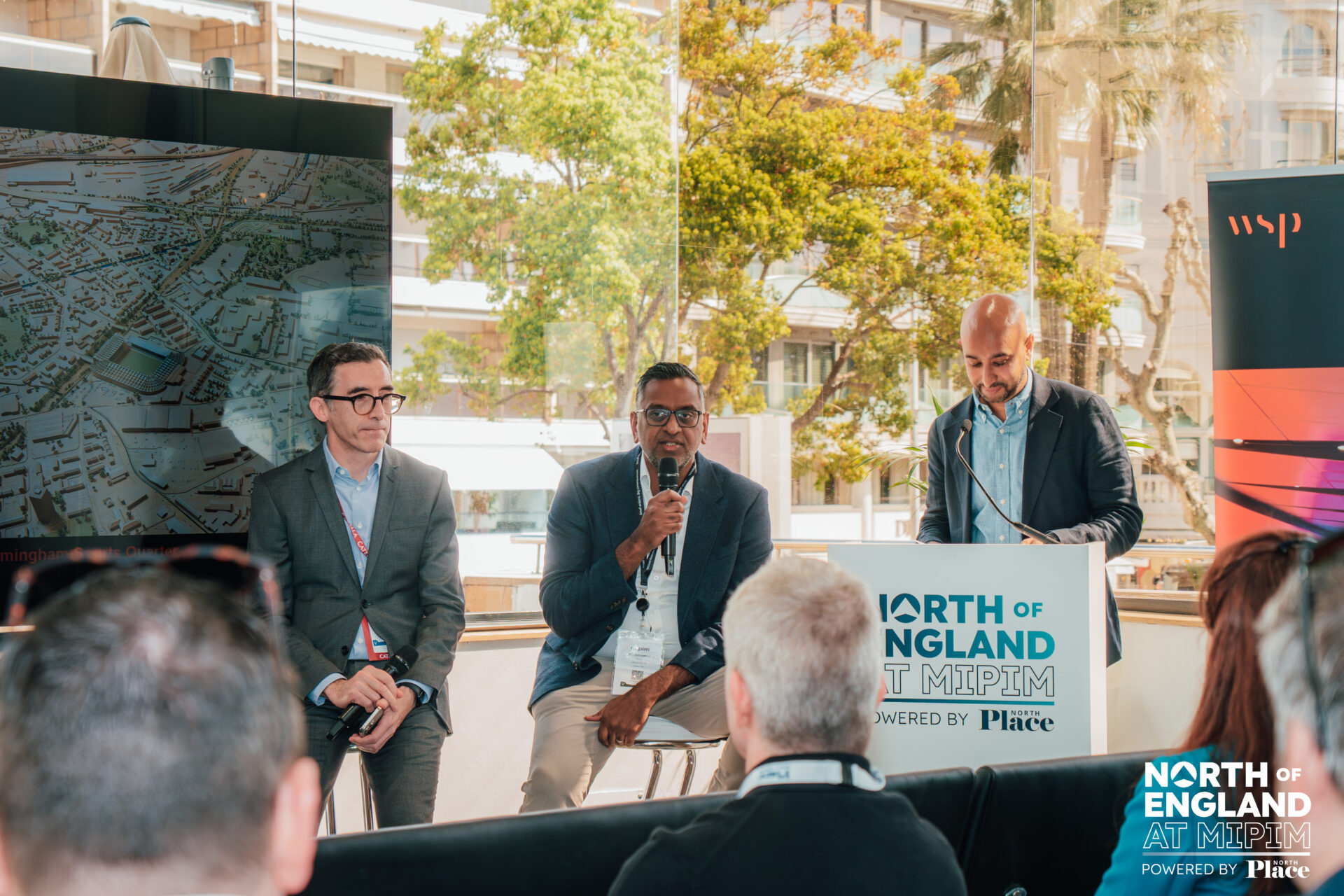
Deloitte’s Hari Sothinathan spoke about the need to rethink how we look at viability and costs. “I think we should be looking at things in layers,” he told the audience, encouraging them to pick apart a project and look at the transport element, then the construction, etc, etc.
“When you do that, then it moves you out of trying to treat each site the same,” he continued. “Each site is different.”
He also encouraged those around to rethink the finances behind viability, suggesting that local authorities might consider providing a guarantee of payback rather than cash itself for items like infrastructure projects.
Salford City Council’s John Searle emphasised that cost concerns have not dampened his city council’s ambitions for delivery.
“We’ve been delivering net zero, Passivhaus-accredited residential schemes,” he pointed out. “We’ve delivered, with our partners, a five-star NABERS-rated and the biggest green wall in the UK, arguably Europe, on one of our office building.
“How do you afford that? Well, you can only afford that if you’re thinking long-term and long-term partnerships,” he said.
Searle also made the case for thinking beyond just a district level, referencing the work the Greater Manchester Combined Authority has done to band together the 10 boroughs.
“What we try to do in Salford and at the GM-level, is actually to think about confidence, vision, pipeline, and more,” he said, mentioning the £1bn Good Growth Fund as a prime example at how devolved authorities can help make important, but unviable, projects deliverable.
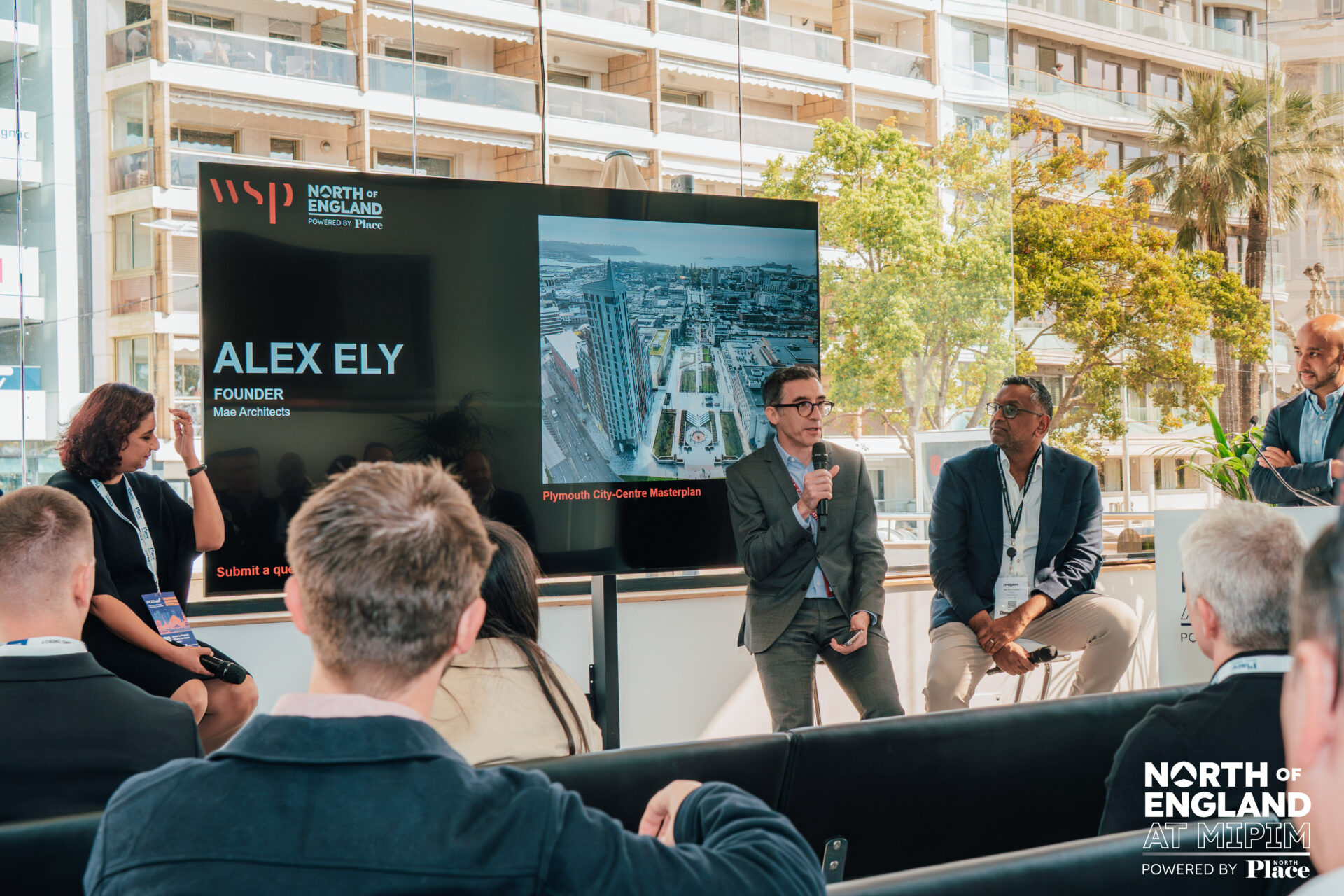
Mae Architects’ Alex Ely joined in on the “rethinking costs” discussion, suggesting that we do not always consider the cost of not delivering a project – or delivering a value-engineered version that fails to address larger problems around affordability and sustainability.
“If we build bad places, we’re not placemaking,” he said. “What’s the cost of poor security, crime, or poor health and wellbeing? What’s the impact on our social services and our healthcare?”
Unlocking growth on the urban fringe also requires changes to how the private sector interacts with planning departments.
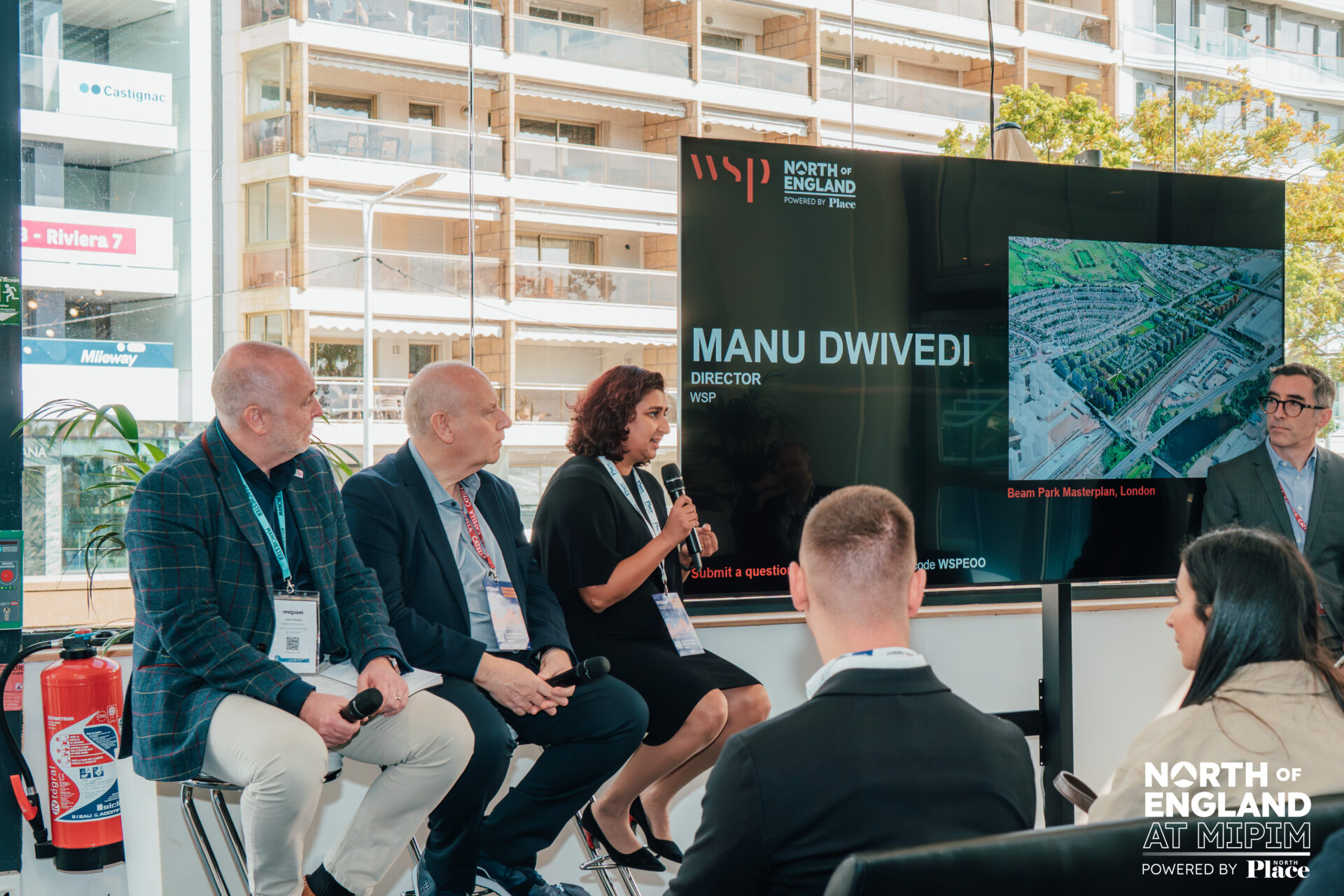
WSP’s Manu Dwivedi stressed the need for collaboration with local planners, who are often under-resourced for the work they do, which leads to “hiding” behind planning policy to make decisions easier.
“We need collaboratively challenge them,” she said. “We do that quite often and I think that gets them thinking, and gets them to engage with some of the processes.”
Political uncertainty was also raised as an issue, but Ion Developments’ Steve Parry pointed out that this is a solvable one. He referenced a project he was working on with an unnamed county council – likely Derbyshire – that recently saw a Reform majority take over. His team had thought they should put a pause on the project, but it turned out to not be necessary.
“Reform politicians have adopted our project and support it probably more than the Tory administration did,” he said.
The issue is that council officers have a lack of confidence to progress things because they think a party may not be in power next year, he continued.
To help with this, he said developers need to engage not just the party in power, but all the parties.
The conversation also touched on AI, transport, and affordability – and ended with optimism that change can happen and delivery is on the way.
Click any image to launch the gallery