While London remains a global financial centre, speakers argued that the UK’s regional cities are now central to national growth, with strengths across emerging technologies, advanced manufacturing, clean energy, housing and the visitor economy.
AI and emerging technologies
A major theme of the discussion was the role of new technologies in driving economic growth.
Steve Rotheram, Mayor of the Liverpool City Region Combined Authority, highlighted artificial intelligence as one of the UK’s most significant opportunities: “AI is a massive opportunity for the UK,” he said. “Hundreds of thousands of jobs are going to be created in it, and regions like the Liverpool City Region should have the chance to capitalise on those opportunities.”
Rotheram pointed to emerging applications in healthcare, education and transport, where AI is already improving diagnostics, reducing administrative workloads and predicting congestion patterns in cities.
However, he cautioned that innovation must be matched by appropriate safeguards.
“We need to get the guardrails right,” he said. “Technology can do incredible things, but we’ve also seen how quickly platforms can be misused if the right protections aren’t in place.”
Culture, tourism, and quality of place
Alongside technology, speakers emphasised the importance of culture and the visitor economy in attracting investment and talent.
Tom Stannard, chief executive of Manchester City Council, said cities must invest in cultural infrastructure to remain competitive.
“The cultural and creative economy is the beating heart of what makes cities attractive,” he said. “It’s not just about events or tourism – it’s about creating places where people want to live, work and invest.”
Stannard added that strong cultural identities help cities retain graduates and skilled workers.
“What makes economies sticky for investors is the quality of place,” he said. “People might come to visit, but what keeps them there is the wider cultural offer and quality of life.”
Tourism remains a key economic driver for many regional economies.
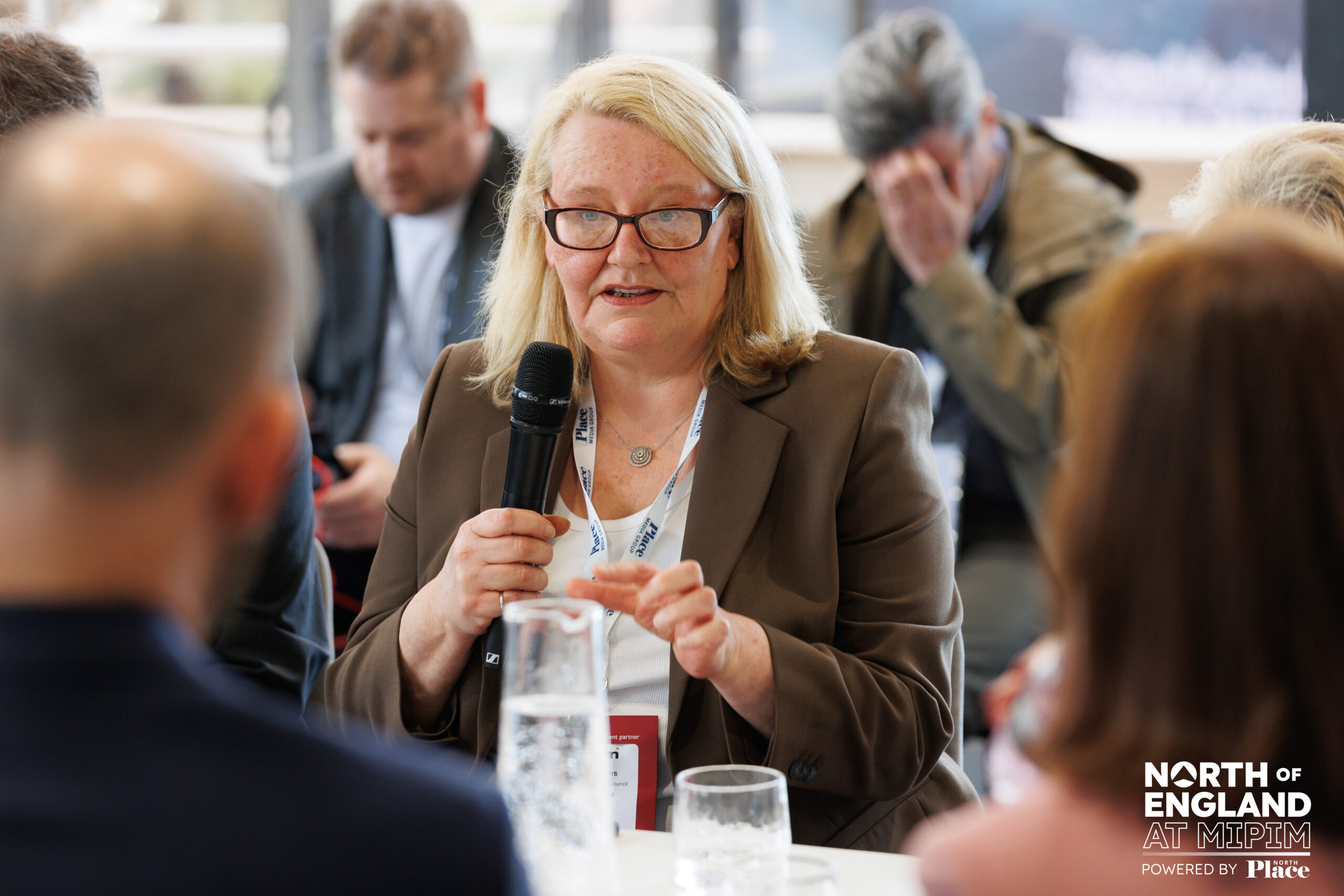
Cllr Lynn Williams, leader of Blackpool Council, said the visitor economy supports thousands of jobs.
“Tourism isn’t just something people do until they get a ‘proper job’,” she said. “For many communities it is a major employer and a vital part of the local economy.”
Data and public service innovation
Digital technologies could also transform public services, according to Paul Dennett, Mayor of Salford and deputy Mayor of the Greater Manchester Combined Authority.
“If we are serious about prevention in healthcare, then how we marshal and aggregate data will fundamentally transform how we deliver public services,” he said.
Dennett highlighted Greater Manchester’s work to create a single patient record across the region’s NHS system as an example of how integrated data can improve outcomes.
He also suggested that the intersection of digital technology and creativity will create new opportunities in areas such as immersive experiences and digital entertainment.
Manufacturing, energy, and industrial opportunity
Speakers also pointed to advanced manufacturing and clean energy as sectors where the UK’s regions can lead globally.
Claire Ward, Mayor of the East Midlands Combined County Authority, said geopolitical shifts and the transition to net zero are creating major opportunities.
“The regions outside London and the South East are in the best place to deliver the next generation of advanced manufacturing and clean energy technologies,” she said.
Ward highlighted projects involving fusion energy, hydrogen production and advanced manufacturing clusters across the Midlands: “These are globally significant opportunities,” she said. “They will require new infrastructure, housing and skilled workers.”
Agriculture and domestic production were also highlighted as important economic sectors.
Cllr Anne Handley, leader of East Riding of Yorkshire Council and head of investment for the Hull and East Yorkshire Combined Authority, emphasised the importance of resilience and food security.
“We have to be more sustainable as a country,” she said. “Agri-tech and food production are incredibly important because we all need to eat and we need to grow more of our own food.”
Handley also highlighted the challenges of infrastructure in rural areas: “In my region I can fly to New York faster than I can get to work and back on public transport,” she said. “That shows just how important investment in transport connectivity really is.”
Housing and neighbourhood design
Housing delivery and place-making were also major themes of the discussion.
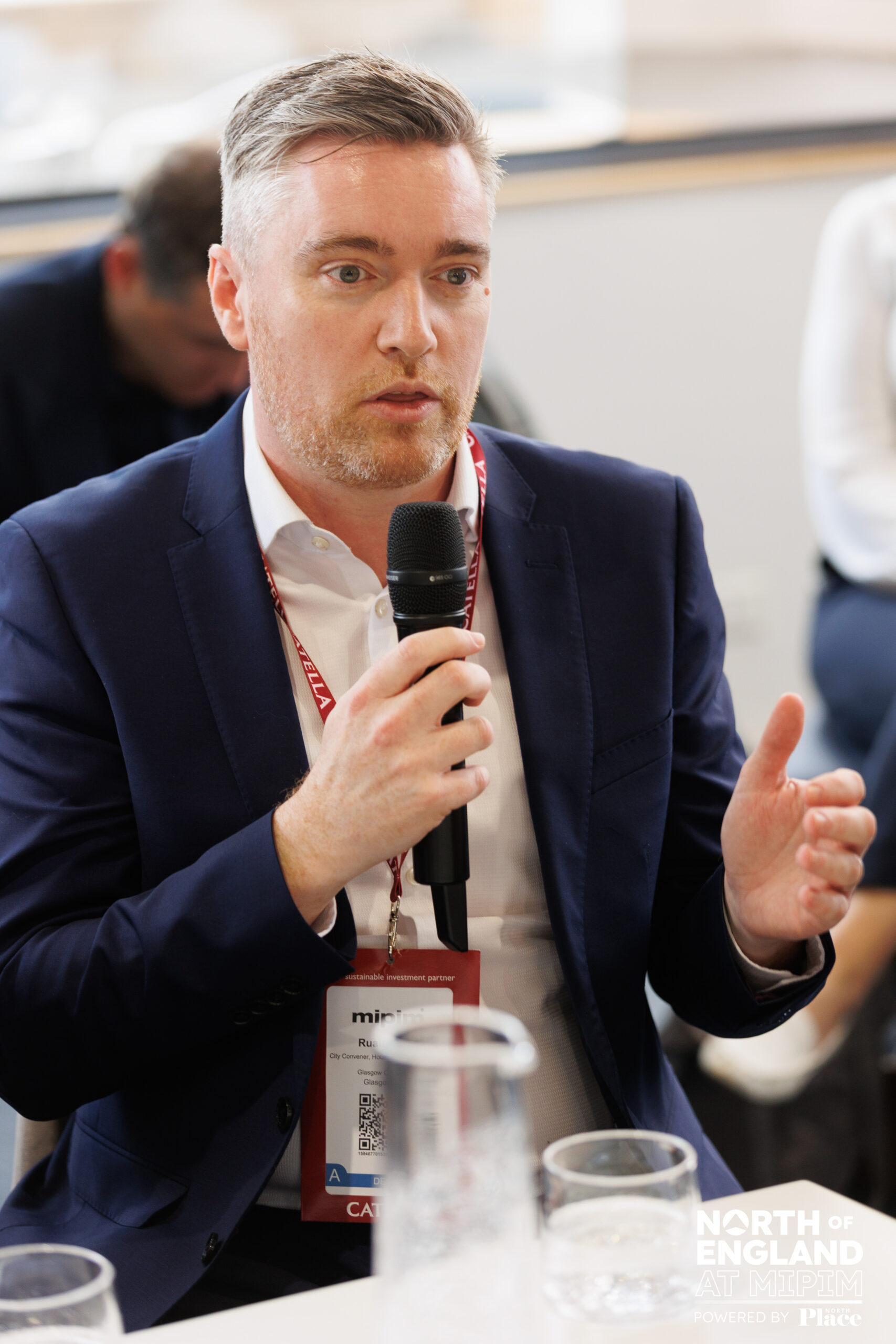
Cllr Ruairi Kelly, Glasgow City Council, said cities need to rethink how neighbourhoods are designed: “Most urban development has been car-centred,” he said. “We need to design neighbourhoods around people, particularly children and families.”
Kelly said Glasgow is exploring how urban planning can integrate insights from health, education and social care to create more inclusive communities.
Meanwhile, Dennett emphasised that housing delivery remains critical to tackling inequality.
“Giving someone a place to call home that is genuinely affordable is how we tackle poverty, improve educational outcomes and strengthen communities,” he said.
Devolution and regional leadership
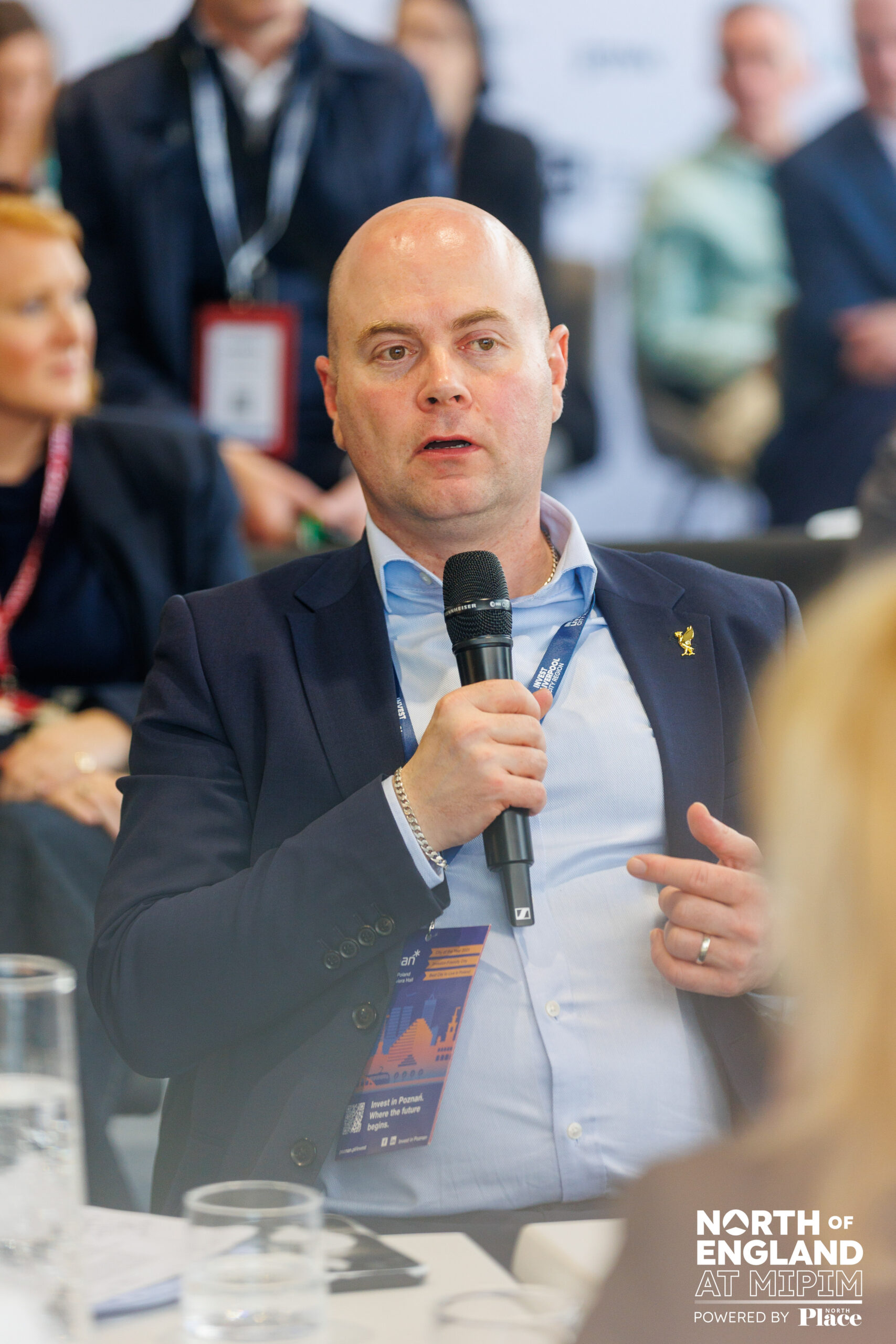
The discussion also focused heavily on the role of devolution in supporting regional growth, with Cllr Liam Robinson, Leader of Liverpool City Council, noting there is an opportunity to review how powers are distributed across the UK: “There’s a huge opportunity to take stock of devolution across the UK,” he said. “We should be asking what further powers city regions need in order to unlock growth.”
Robinson suggested cities could benefit from greater fiscal autonomy, including tools such as visitor levies that are widely used in other global destinations. “We know these tools work in other cities across Europe,” he said.
However, speakers also stressed that regional powers must be accompanied by collaboration with central government.
Dennett said strategic planning at national level is also essential: “We need to move away from a system where regions compete with each other for resources,” he said. “Instead we should be thinking about collaboration between city regions and central government to plan the country’s future.”
This was echoed by Michelle Duggan, head of inward investment at the North East Combined Authority, who said collaboration between regions will be key to unlocking future growth: “We need to think about the UK as an ecosystem,” she said. “Our regions have complementary strengths, and we’re far more powerful when we connect those strengths together.”
Dunn added that long-term economic resilience will also be important as political cycles change: “Change is inevitable, so we need to build resilience into our structures and make sure our regions are strong enough to keep delivering growth.”
Looking ahead, participants agreed that the UK’s regional economies should be seen as part of a broader national ecosystem.
Place before politics
The conversation concluded with a discussion about political leadership and maintaining long-term economic strategies beyond election cycles.
Williams said local leaders must focus on creating the conditions for investment and prosperity: “Business knows how to do business,” she said. “Our job is to create the conditions where our communities can thrive.”
For Ward, collaboration across political boundaries will be essential if regional economies are to succeed: “If we are divided and can’t focus on place, how can we expect to show the confidence business needs to invest?” she said. “Ultimately it has to be place before party.”
Click on any image to enlarge
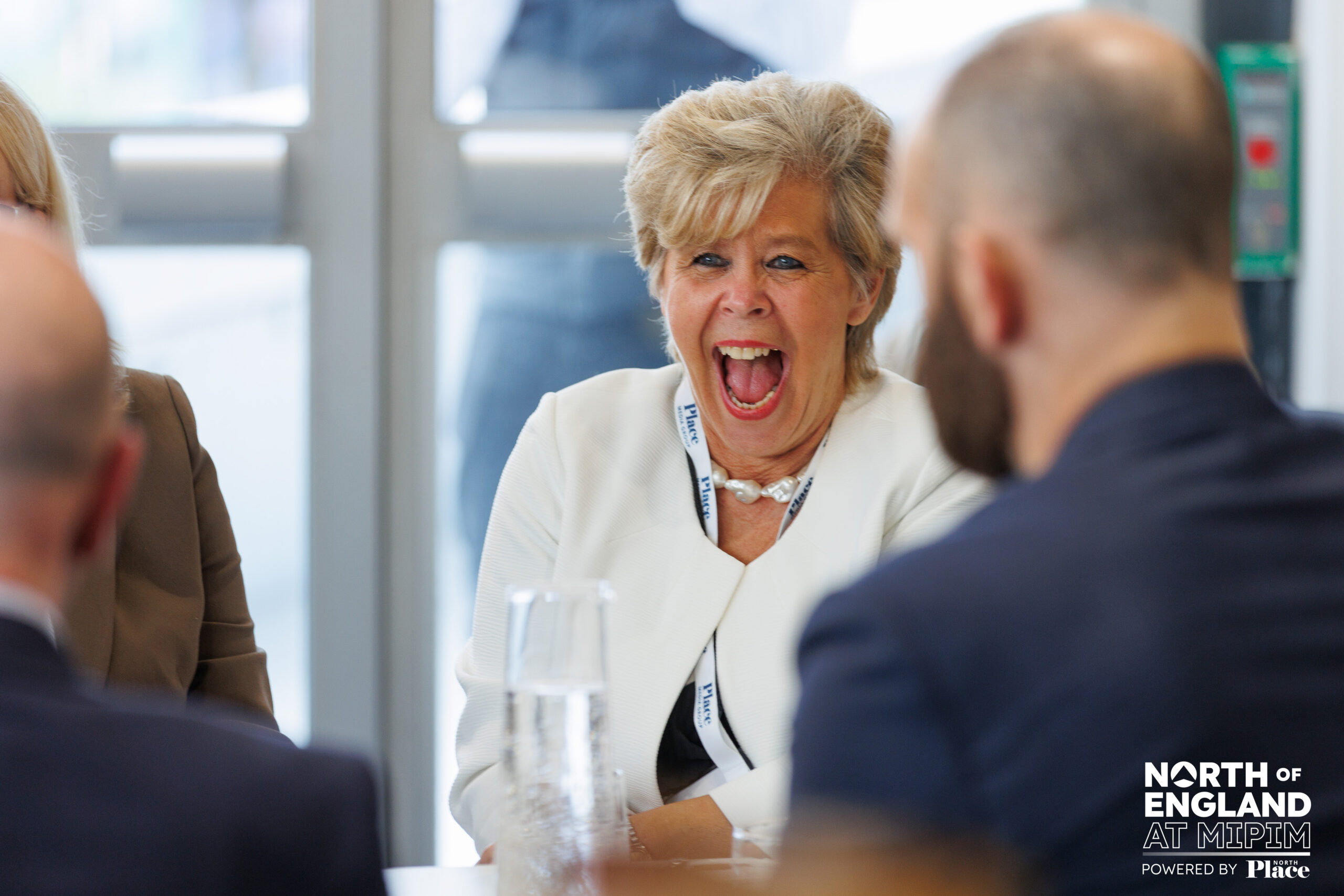
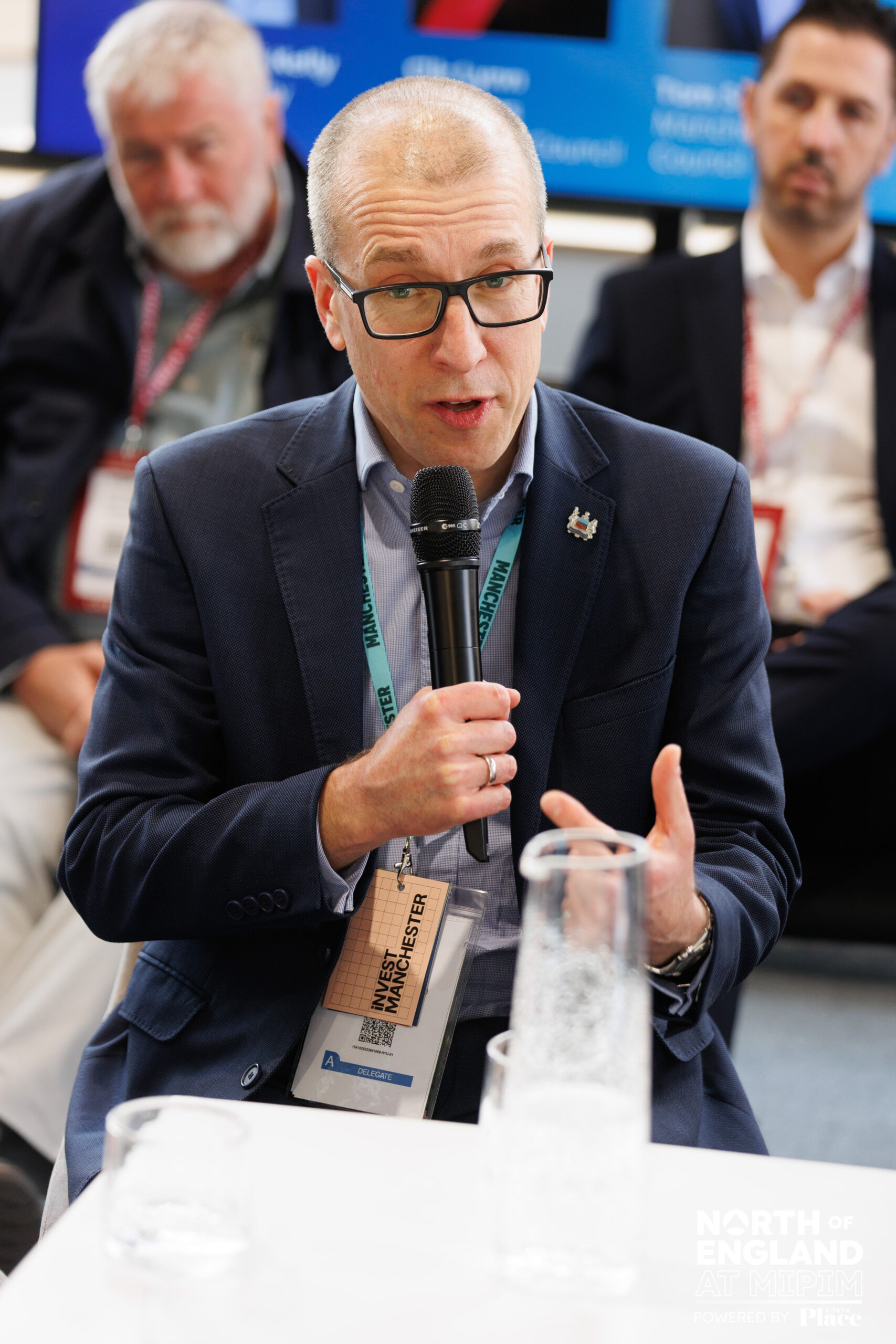
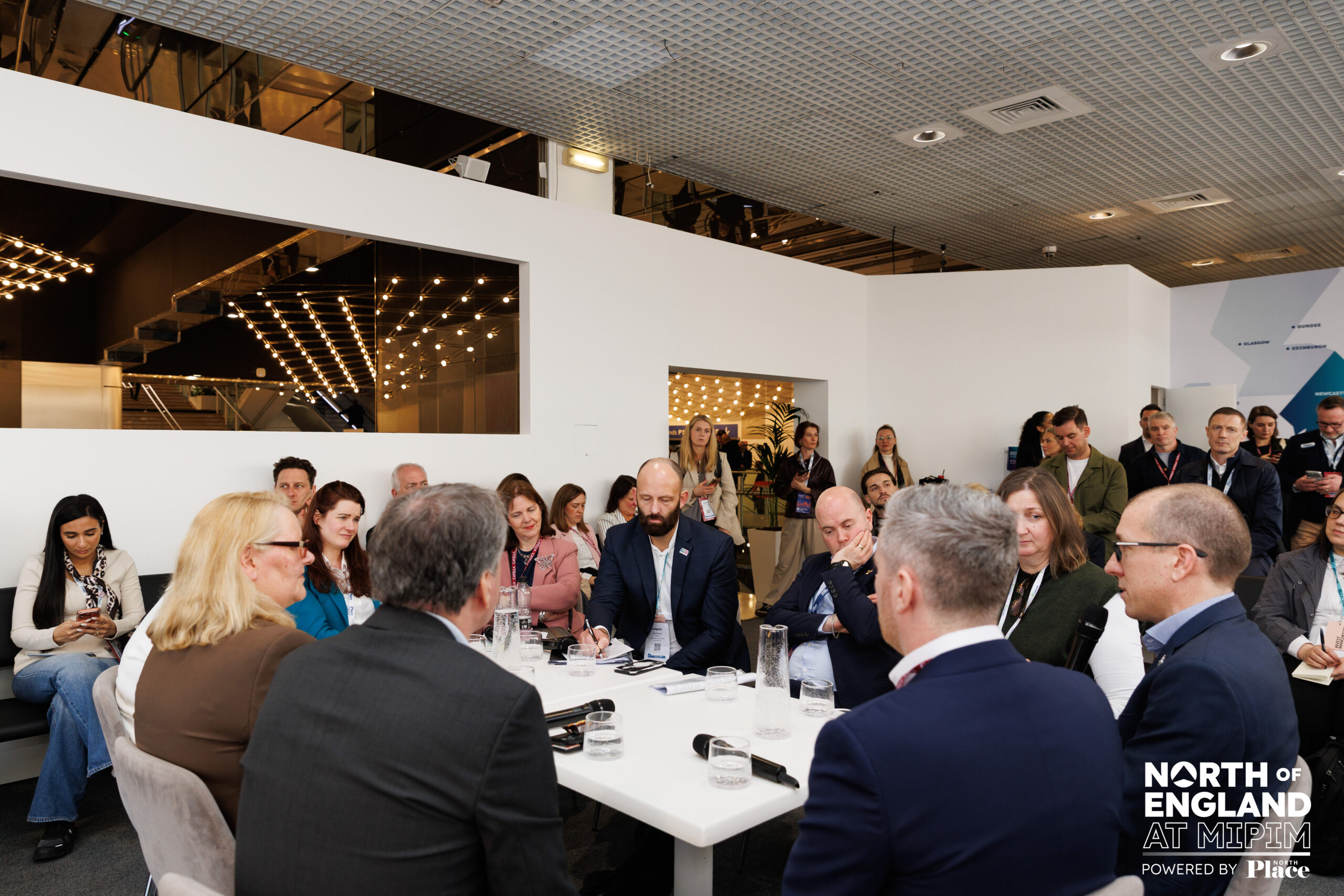
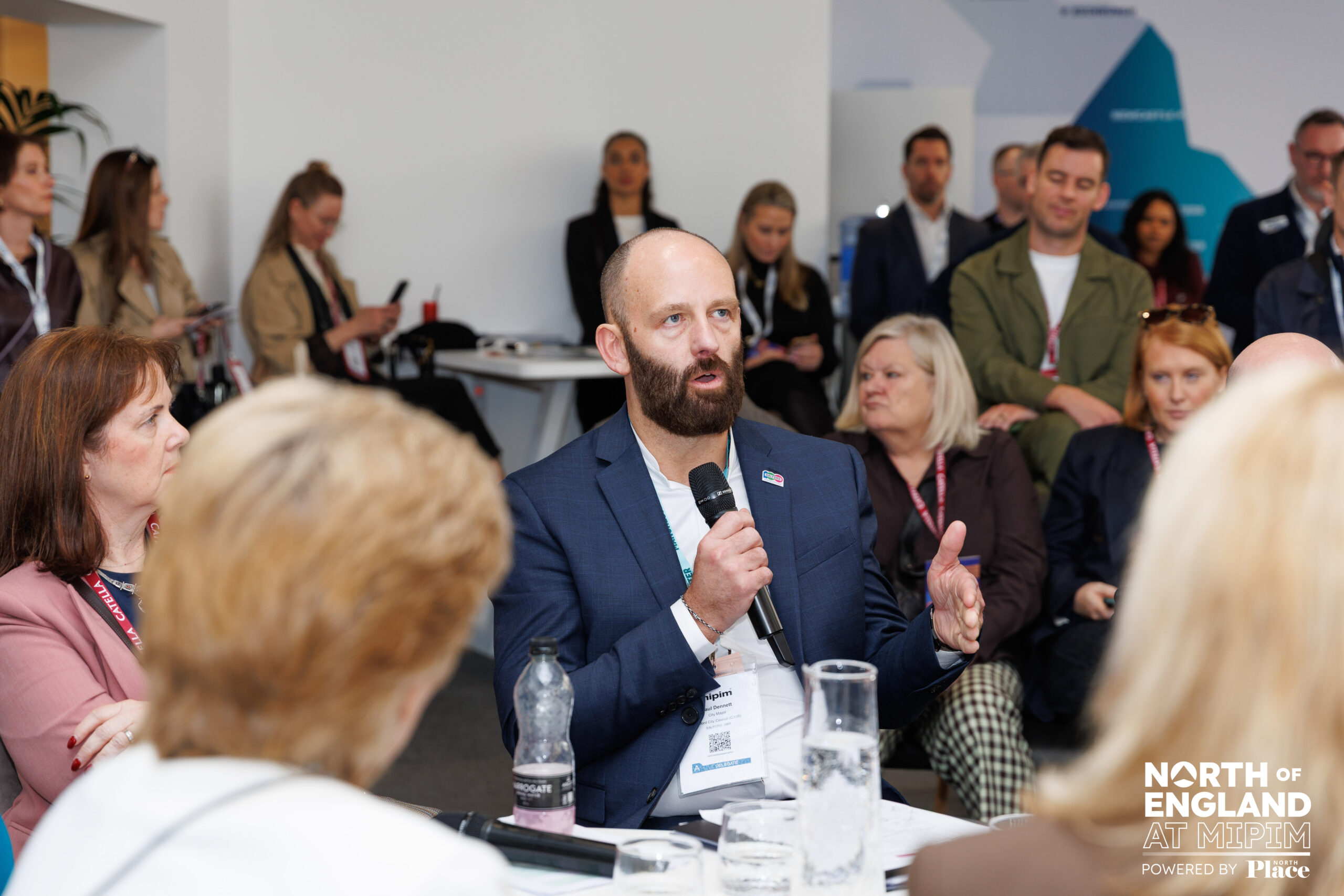
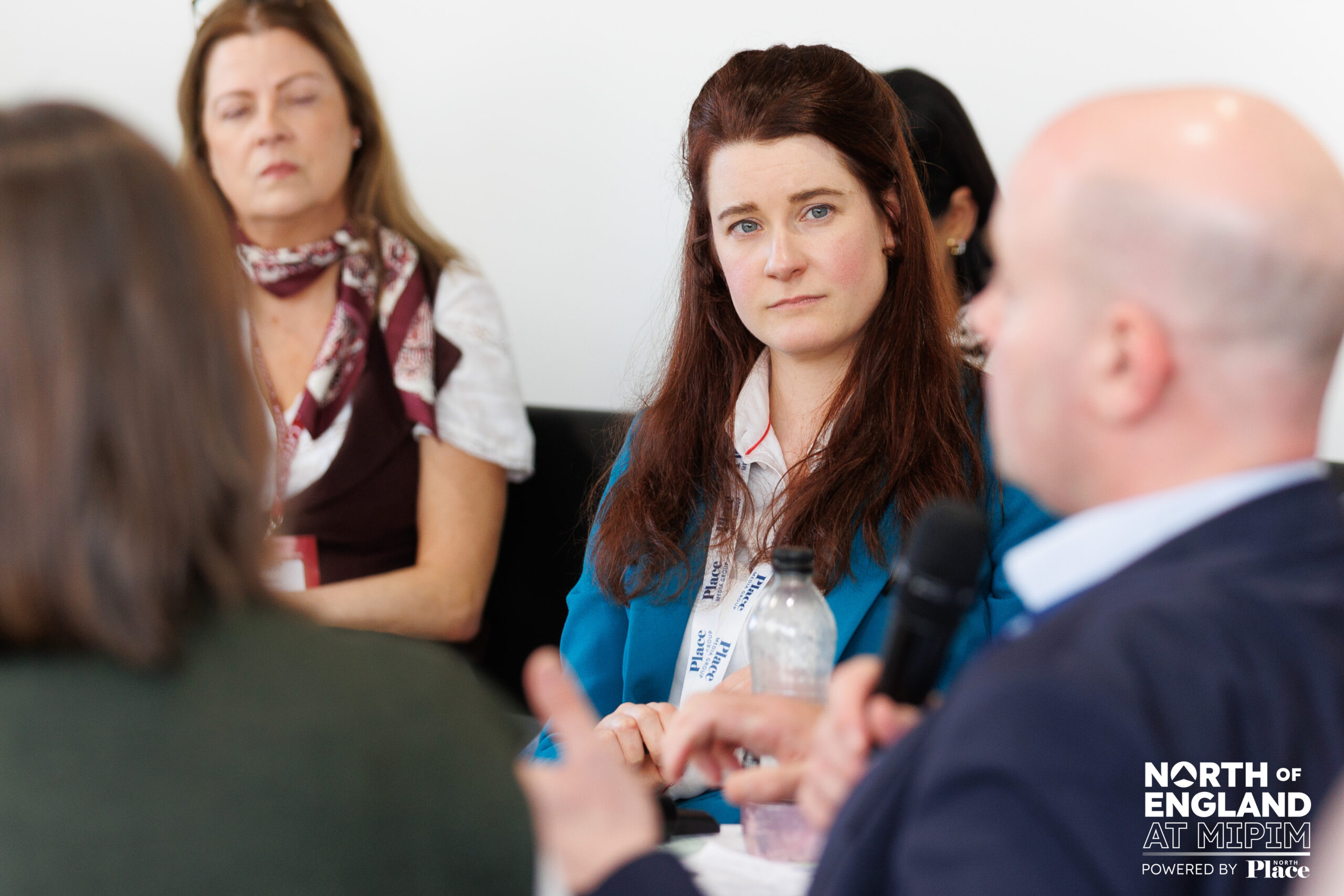
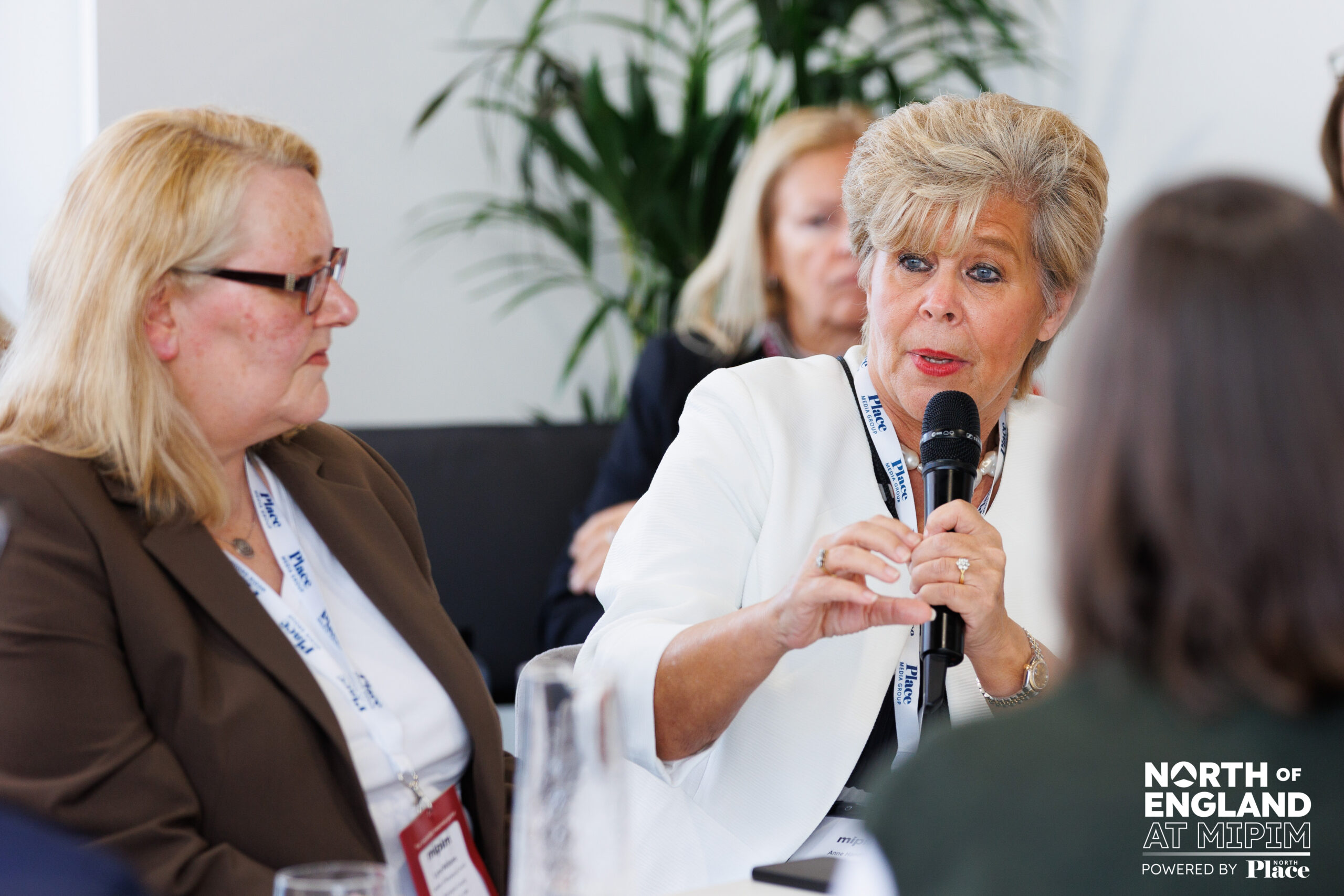
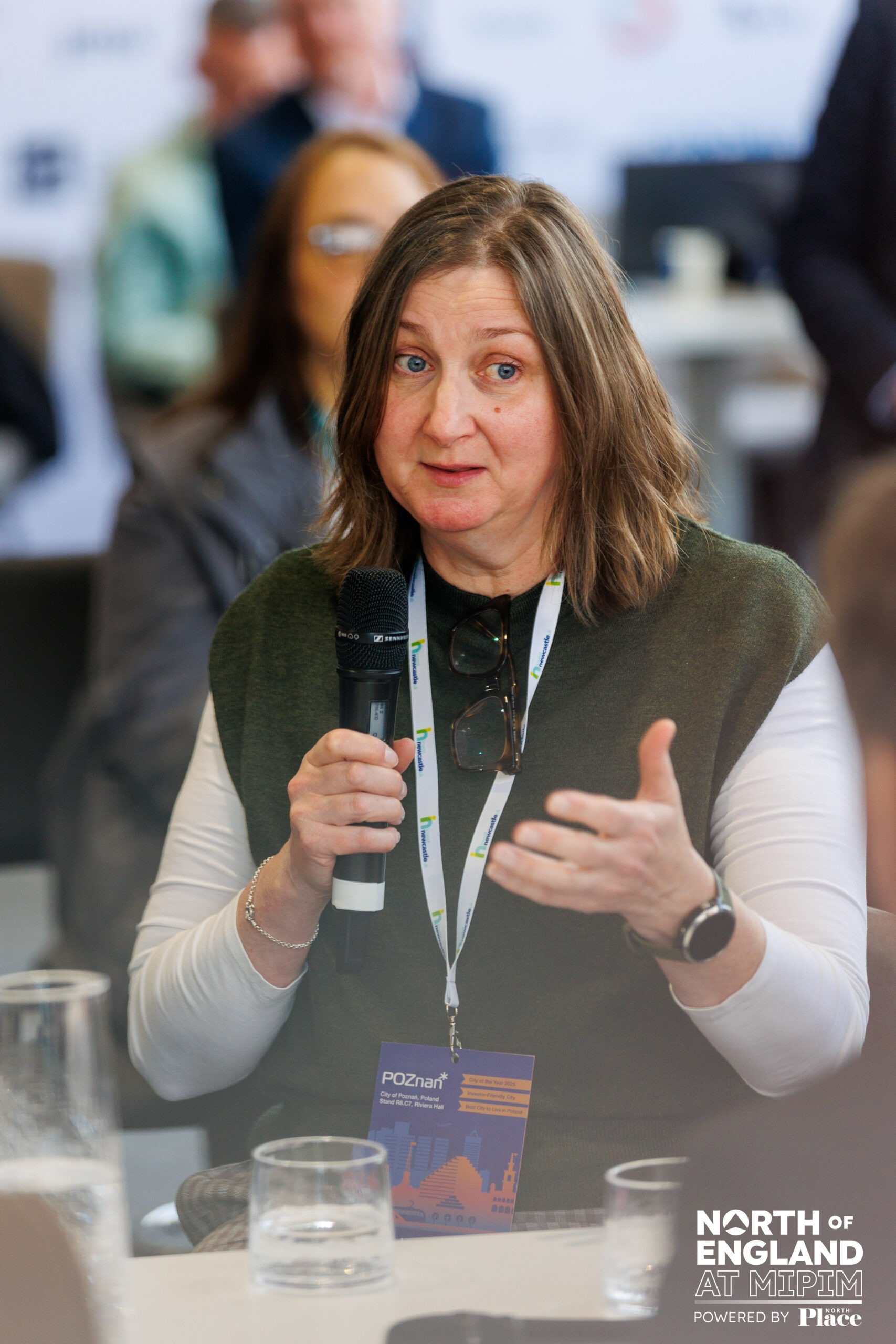
- Anne Handley speaking at Place North’s UK leaders summit at MIPIM. Credit: Place North

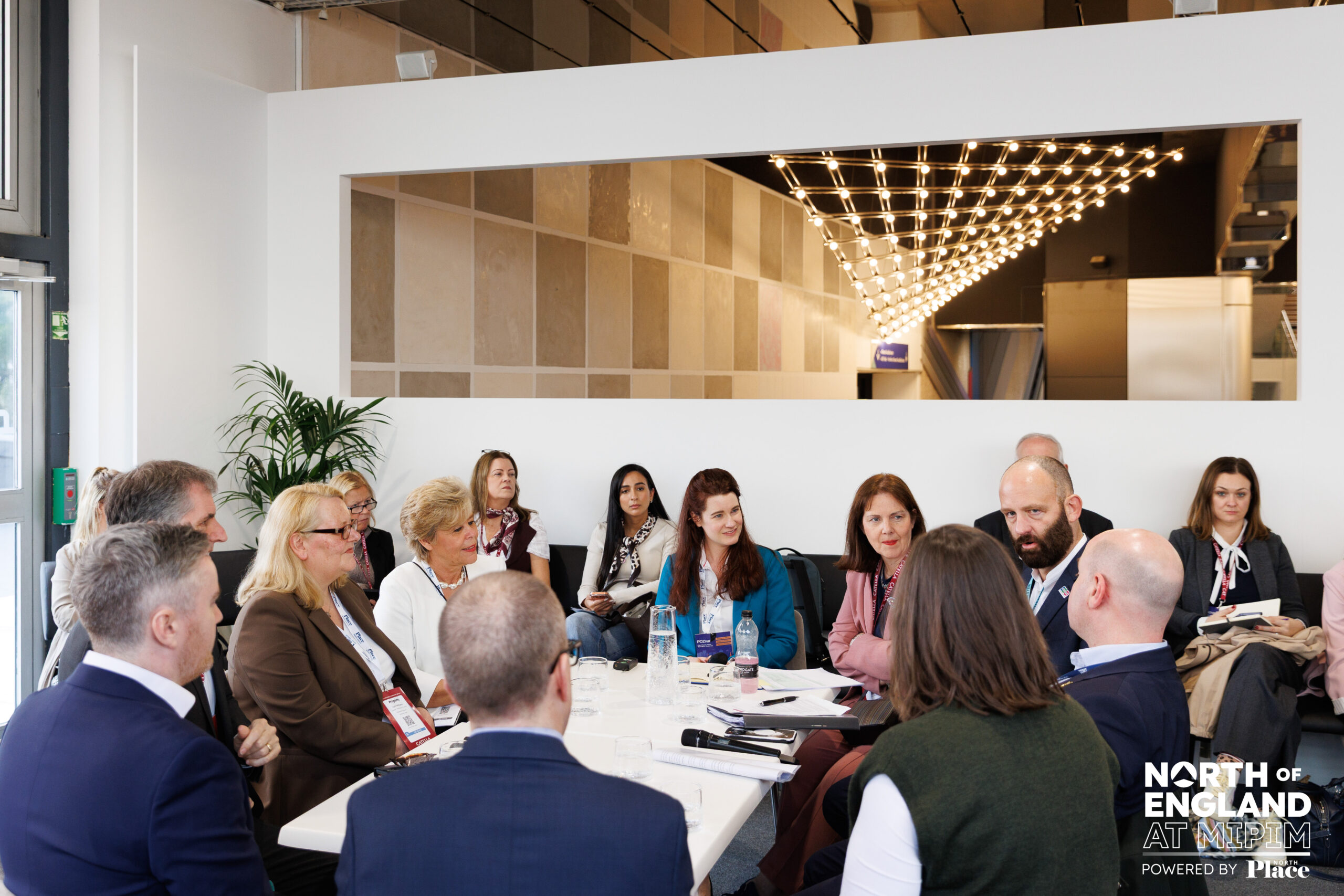
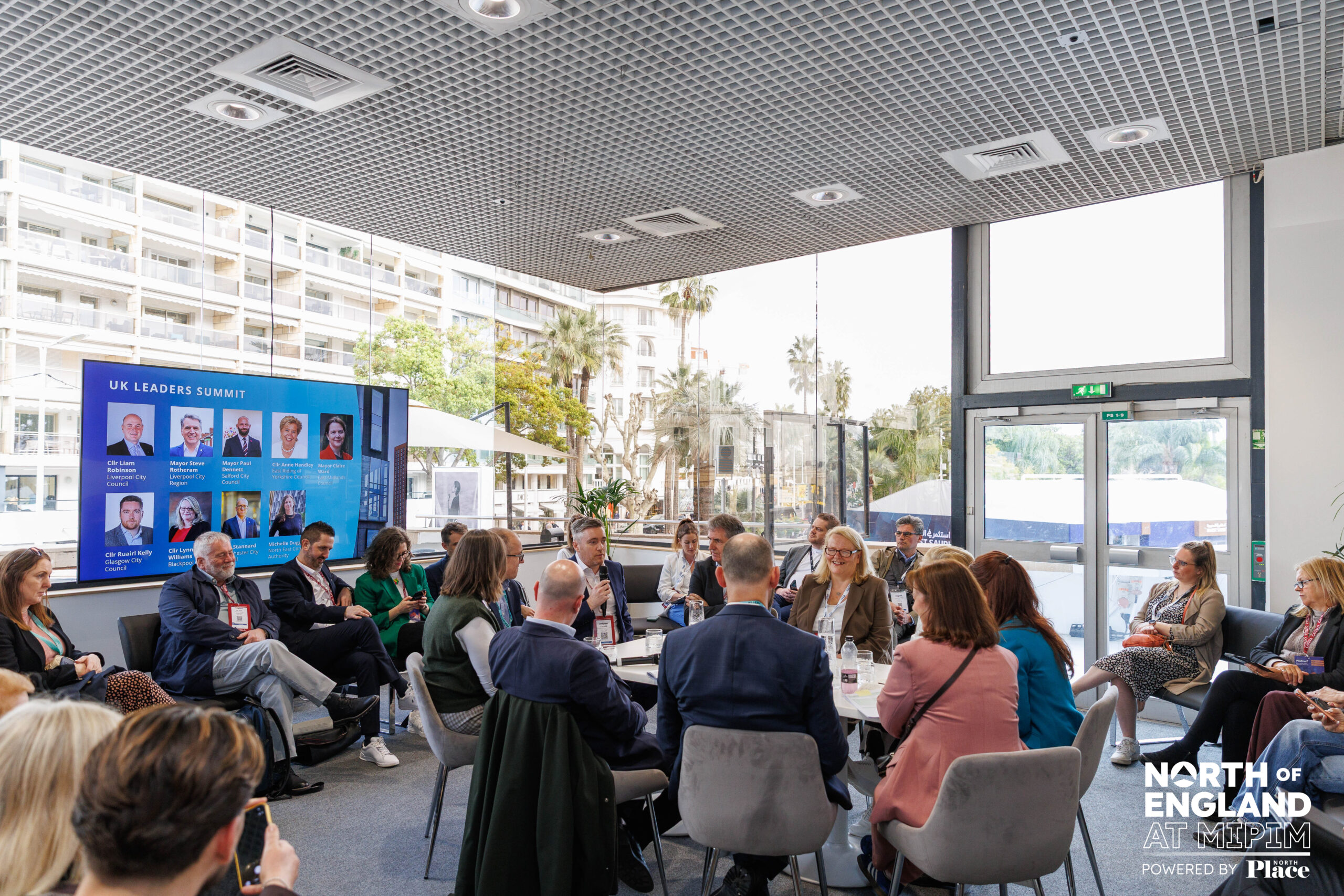
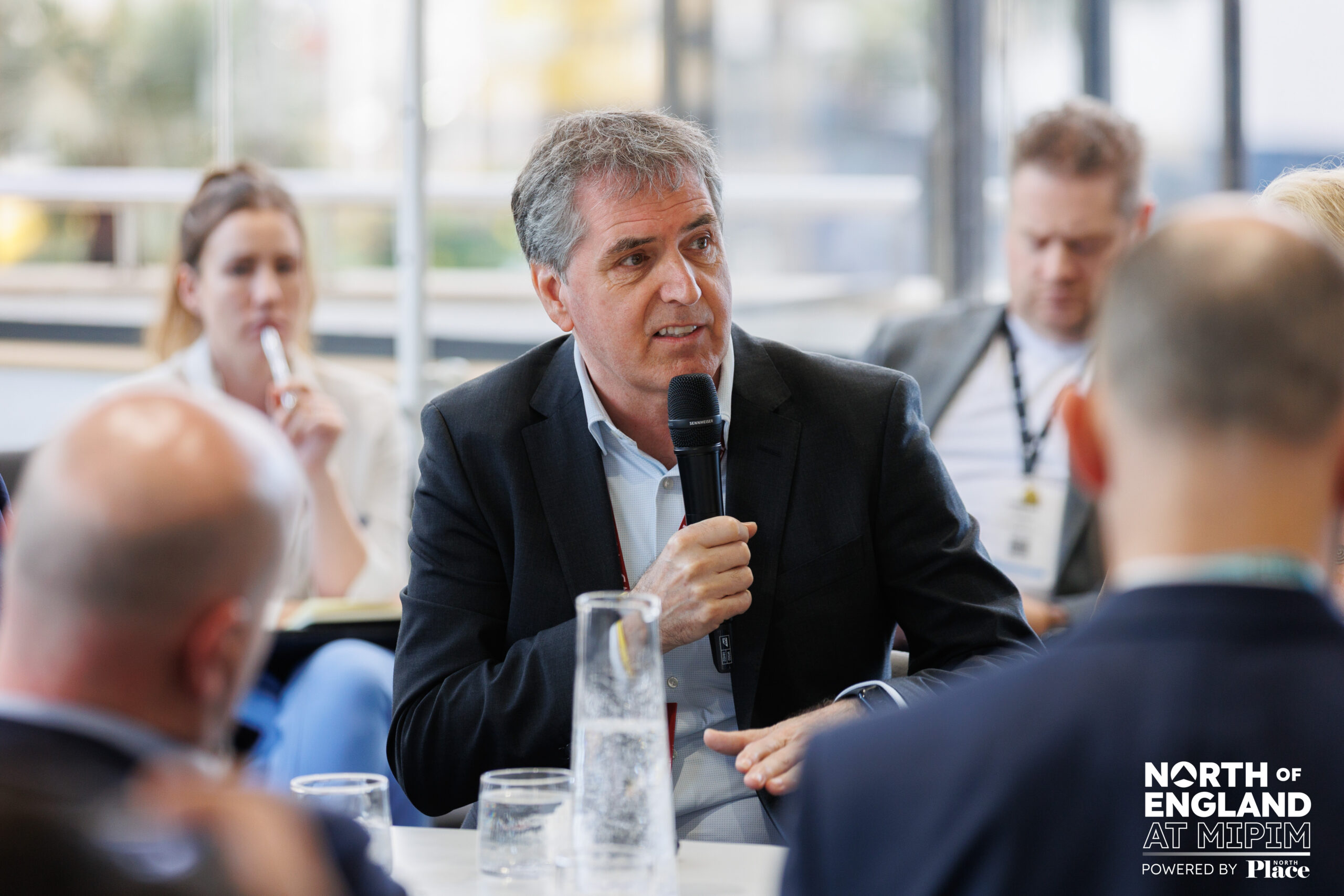

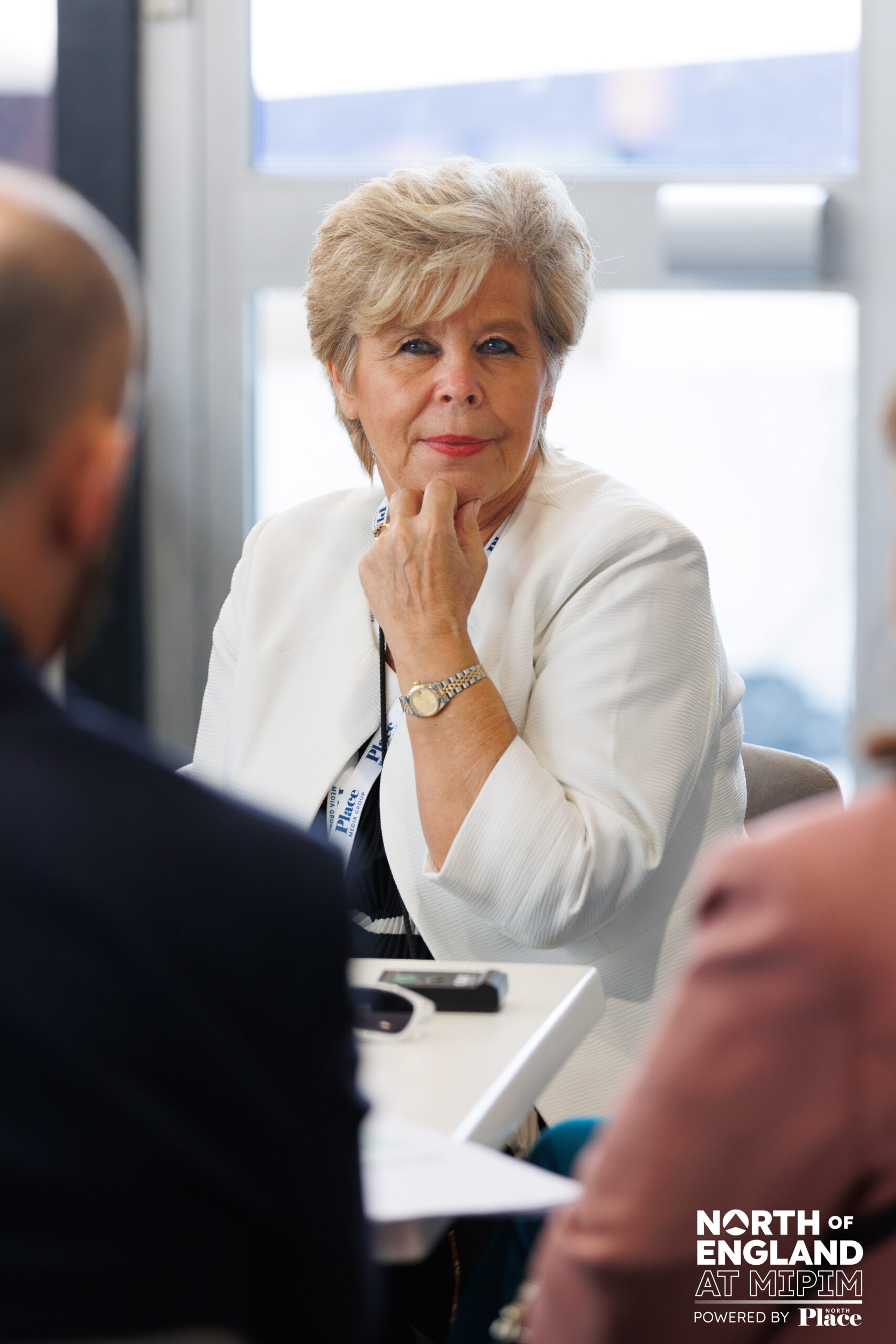
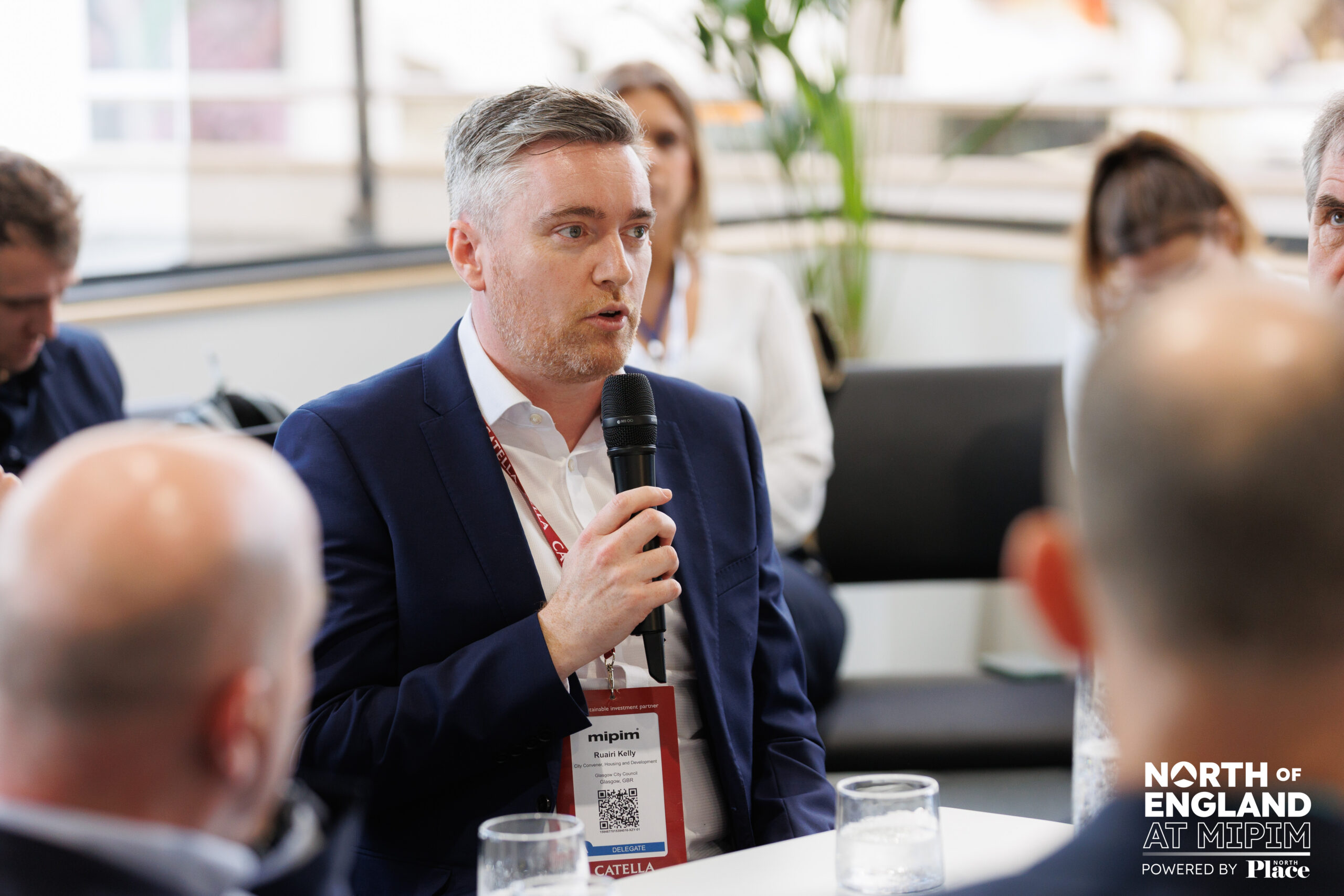
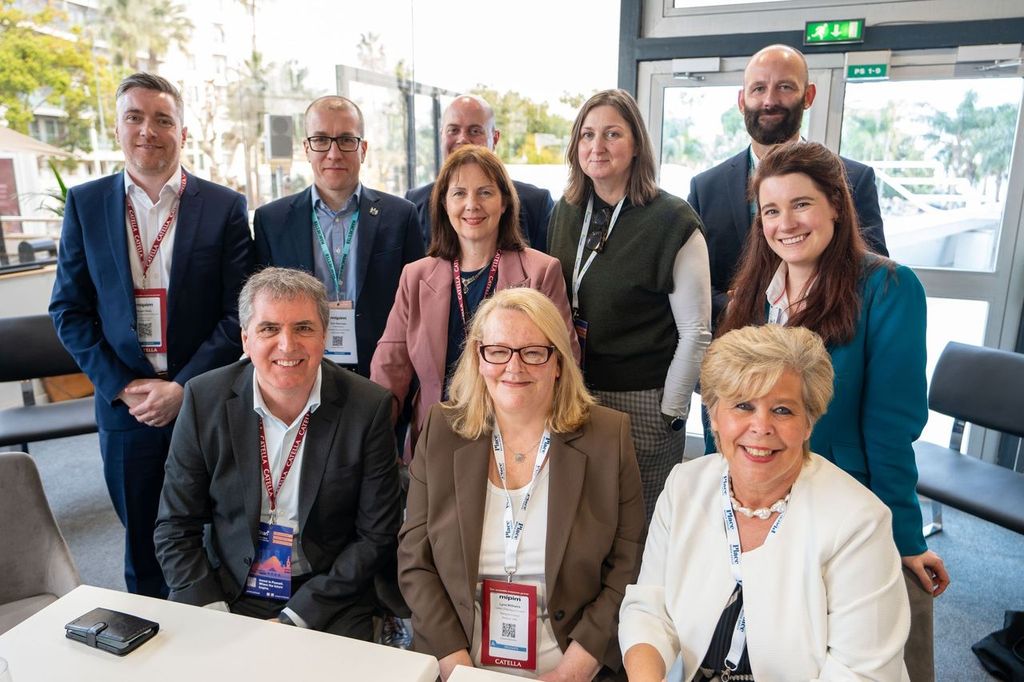
- Back row L-R: Kelly, Stannard, Robinson, Ward, Duggan, Dennett, Hatmaker. Front row L-R: Rotherham, Williams, and Handley. Credit: Place North