


‘Anywhere we can build, we’ll consider’ | Q&A with Stockton-on-Tees
Stockton-on-Tees is busy. The borough is undergoing a £180m development programme that includes a Health Innovation Zone, Stockton Waterfront, and Tees Yard, a 270-acre brownfield site with the potential to become a home for health services, sector-specific businesses, and housing. Place North East went to meet with cllr Richard Eglington, cabinet member for regeneration and housing, and Iain Robinson, assistant director for town centre development, to discover how the town has managed to put regeneration at the top of its agenda and follow through with the funding required for such ambitious projects, as well as the challenges and opportunities encountered along the way.

- Cllr Richard Eglington

- Iain Robinson. Credit: SoT
What are the key priorities for Stockton in terms of redevelopment and regeneration over the next five years?
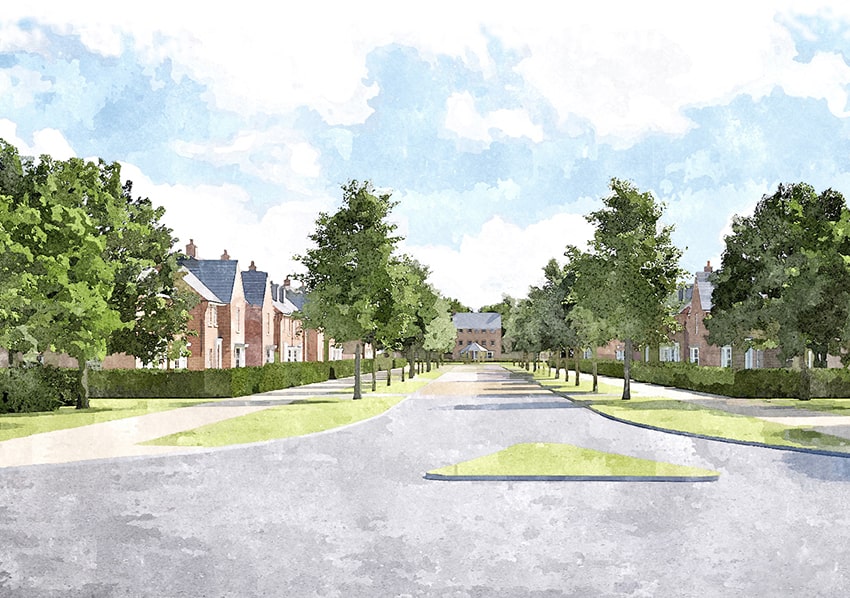
Iain Robinson: I think for central Stockton, we’ve got a blueprint that sets out our aspirations for redevelopment in that area. It’s a large plan with a number of key sites we want to bring forward, particularly around our Health Innovation Zone. We’re also aiming to increase residential development in the urban core, offering different types of housing products, tenures, and more aspirational housing.
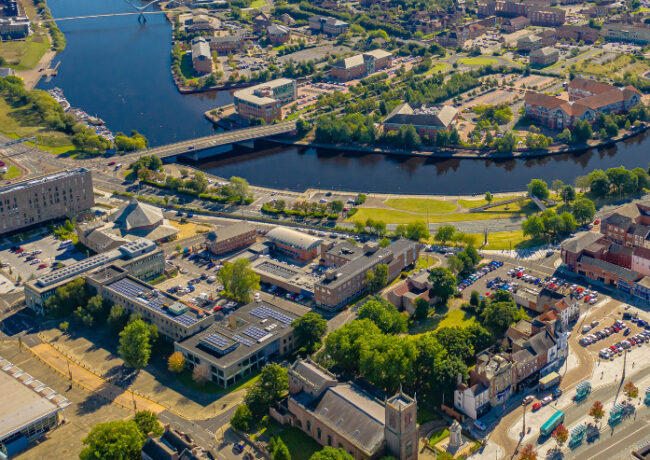
We’re capitalising on the investment programme around the Stockton Waterfront and the riverside setting. There’s also a major opportunity in potentially bringing a medical school to the area. Longer term, we’re looking to unlock the brownfield site at Tees Yard, which has investment potential and space for new residential developments.
Richard Eglington: We want Stockton to grow. The borough has an amazing opportunity to expand, but that growth needs to work for all residents. Our regeneration projects aren’t just about isolated development. We look at how they impact the wider borough and build on what already exists for our communities.
What steps is the council taking to ensure these projects are inclusive across the whole borough?
RE: It’s all about engagement. We have ongoing conversations with residents – not just in the development areas, but across the entire borough. Each town in Stockton has its own identity, its own history and character, and we need to respect that. Sometimes it doesn’t align perfectly, but we make sure that no area gains disproportionately or suffers more than another. Consultation is critical.
IR: From an organisational standpoint, we’ve developed an Inclusive Growth Strategy. It outlines the measures we take to ensure that all opportunities and investments are accessible. On the physical side, inclusivity and accessibility are built into our design standards and the way we deliver regeneration projects. It’s central to everything we do.
What are the biggest challenges you face when starting a regeneration project? Is it about balancing economic growth and heritage, or is it funding?
IR: There are many challenges, depending on the type of project. One of the biggest is viability, particularly in this region. We often deal with issues around land and property values, especially when trying to deliver commercial developments amid inflation and construction cost pressures. These factors impact our ability to balance the books and make schemes financially viable.
The same applies to residential development – we’re always working to uplift values to make projects more sustainable. More broadly, the labour market and inflationary pressures are challenges we feel acutely here.
RE: From a political perspective, it’s about managing public expectations. People see demolition happening and expect instant transformation, like in the movies. But regeneration is a journey. It takes time. We have to bring residents along with us and keep them informed so they understand they’re part of that journey – and that we will get there.
How will the regeneration projects throughout the borough be funded? How much is it costing, and is it all accounted for?
IR: Yes, the current programme is valued at around £180m. It’s funded through a combination of government schemes, council loans, Prudential Borrowing, and partner contributions. About two-thirds of that approved funding has been committed, and we’re well underway with delivery.
Looking ahead, we’re starting to see returns, such as positive impacts on local values and increased inward investment. We’re also seeking development partners and innovative delivery models for future phases.
RE: Regeneration is always expensive, but it must deliver value for money. Especially in this region, projects have to stack up economically. Ian and I talk regularly about ensuring that big investments are being targeted appropriately across the borough.
How heavily does affordable housing feature in the regeneration strategy?
IR: It’s a significant priority. There’s a real need for more affordable housing across the borough. It’s a national issue, but it’s felt particularly strongly here. The market isn’t meeting local needs, so we’re stepping in.
We’re releasing land specifically for affordable housing, working with RPs and other partners, and looking at different housing models to increase supply.
RE: But we’re not just focusing on ‘affordable’ – we want it to be aspirational too. Traditional models haven’t always worked, which is why we’re doing things differently. We want people to want to live in these homes, not feel like they have to.
And you’re maintaining a focus on the city centre as well?
RE: Absolutely. Anywhere we can build, we’ll consider.
IR: We have housing sites identified borough-wide through the Local Plan. It’s not just about city centre development. We’re targeting areas where we can unlock new affordable housing opportunities across the entire borough.
Transport often plays a big role in regeneration. Are there plans to improve links locally and regionally, or is the current transport network sufficient?
IR: Transport is largely under the jurisdiction of the Combined Authority in our region. We work closely with them on strategic projects, such as river crossings and rail improvements.
At the local level, we face viability challenges related to highways infrastructure, especially in new housing developments. But we are heavily involved in ensuring that employment and residential sites are supported by the right transport links, even if that requires local intervention.
With so many developments, how do you ensure they align with sustainability goals? Is it a challenge, or a built-in priority?
RE: Sustainability is always a key goal – it has to be in today’s world. Every project we take on includes environmental considerations as standard.
IR: Yes, sustainability is embedded into our design guidelines. Whether it’s BREEAM standards for commercial buildings or Passive Haus principles for homes, we aim for the highest achievable standards, balanced against deliverability and viability. It’s a huge challenge, but it’s also a huge priority.
Looking 20 years into the future, what kind of Stockton-on-Tees would you like to see?
RE: I want a Stockton where people can achieve their goals here – where young people can get a good education, find meaningful employment, and build lives without needing to leave the area. We’ve lost too many talented people to other regions. That needs to change.
And finally, if you could wave a magic wand and fix one thing for Stockton right now, what would it be?
RE: The thing about Stockton is, we don’t need a magic wand. We’ve always been bold. There aren’t many councils who would buy two shopping centres, consolidate into one, knock the other down, and create a public park. We did it because it was the right thing to do. That’s the Stockton mindset: turning bold ideas into action.