




What to watch in 2026 | North East
In no particular order, Place North East has compiled our list of key projects to watch over the coming year, ranging from industrial – did someone mention data centres? – through to residential, and innovation led projects that will shape the region and strengthen its economy.
Cambois Data Centre Campus
The Cambois Data Centre Campus is a £10bn digital-infrastructure megaproject led by QTS Data Centers, part of the Blackstone portfolio, and supported by a wider multidisciplinary delivery team that includes architect Corgan and Quod as planning consultant. The data centres will be constructed using MMC, using a kit-of-parts approach.
One of the UK’s largest hyperscale data-centre schemes, with plans for up to 6m sq ft of next-generation data-centre space, the aim is to transform the Blyth/Cambois area into a strategic hub for digital capacity, resilience, and long-term technology investment, bringing significant economic and employment benefits to the region.
With planning approvals secured for the first two centres at the start of December and preparatory works progressing through 2025, major construction activity for phase one is scheduled to accelerate in 2026. During this period, the project is expected to sustain more than 1,200 construction jobs while laying the foundations for hundreds of permanent high-skill tech roles upon completion. The scheme was also named as a key feature in the North East’s AI Growth Zone, announced in September, reinforcing Northumberland’s emergence as a key player in the UK’s digital-economy landscape.
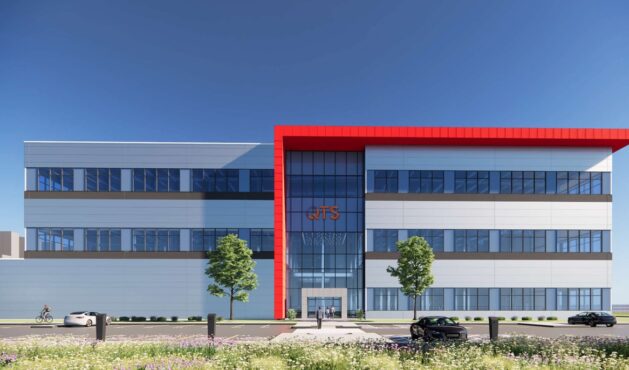
Renaissance Land, which is behind the £10bn Blyth data centre, is owned by Blackstone. Credit: via planning docs
Forth Yards, Newcastle
Forth Yards is a major city-shaping initiative led by Homes England, Newcastle City Council, the North East Combined Authority, and Network Rail. Working with Avison Young, the project will lead to the transformation of one of Newcastle’s most significant brownfield sites into a vibrant new riverside district, delivering up to 2,500 new homes, extensive commercial space, and high-quality public realm. Backed by a £121.8m government investment, site preparation, remediation, and enabling infrastructure is now underway, to help unlock long-term development potential and support the city’s wider growth ambitions.
A key milestone for the scheme will take place in 2026, when the procurement process for a public-private delivery partner, being led by Avison Young, is expected to conclude. This appointment will mark the transition from enabling works into full-scale development, setting the stage for phased construction across the district. The 2026 activities will be pivotal in shaping the final masterplan, establishing delivery frameworks, and mobilising investment needed to bring this new neighbourhood to life.
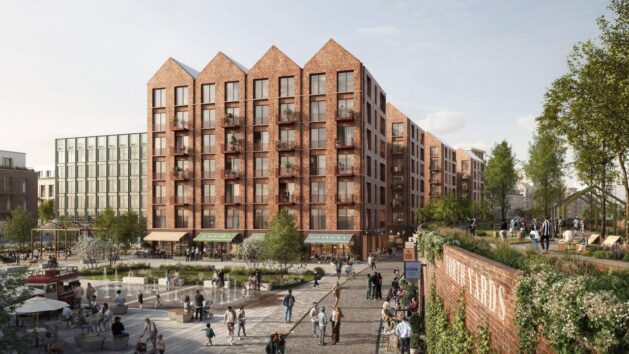
FaulknerBrowns is the lead architect on the project. Credit: Newcastle City Council
Teesworks, Redcar
Teesworks spans 4,500 acres across Redcar and Teesside. The project is being delivered through a collaboration of regional partners and national government bodies, supported by more than £500m in public investment and several billion pounds of private-sector commitment. The former steelworks site will become a major centre for heavy industry, advanced manufacturing, offshore wind, and logistics, with key anchor developments, particularly in offshore-wind component manufacturing, already moving forward.
Looking ahead to 2026, Teesworks is expected to reach a pivotal phase, with substantial infrastructure build-out, the delivery of new industrial buildings, and continued expansion of tenant operations across the site. As major occupiers scale up and new facilities come online, 2026 could represent a key turning point in Teesworks’ trajectory toward its projected 20,000 jobs, cementing the site’s role as a transformative industrial powerhouse for the Tees Valley and the wider UK economy.
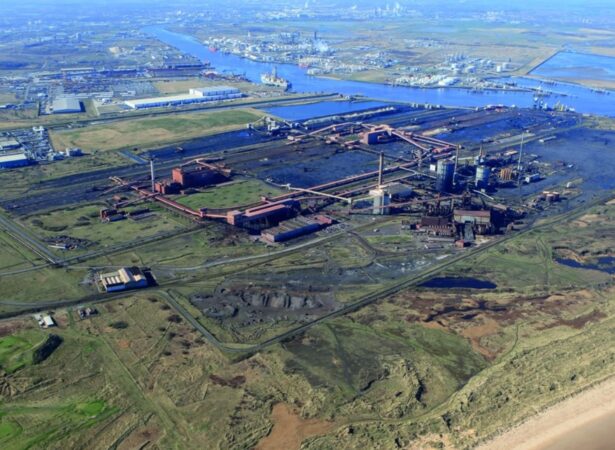
The Teesside Steelworks was established in the 1870s and at its height, the area had 91 blast furnaces over a 10-mile radius. Credit: Invest Tees Valley
Aykley Heads, Durham
Muse, Durham County Council, and Durham University are joining forces to fast-track the Aykley Heads development, a 37-acre site at the heart of the Durham Innovation District. With planning permission for 400,000 sq ft of commercial space, the scheme is set to become a major hub for investment, innovation, and collaboration. The project team also includes Ryder, DPP, and Avison Young.
The site’s prime location near major road networks and the railway station, combined with £9.2m backing from the North East Combined Authority, makes it a key focus for investors and stakeholders. The development sits within the wider 153-acre innovation district, home to Durham University Business School, council offices, and The Rivergreen Centre, which is being refurbished as the Council’s new headquarters.
With a key collaboration agreement signed in November between the three partnets, plans to accelerate the development of the Aykley Heads site as a hub for investment and innovation will continue throughout 2026.
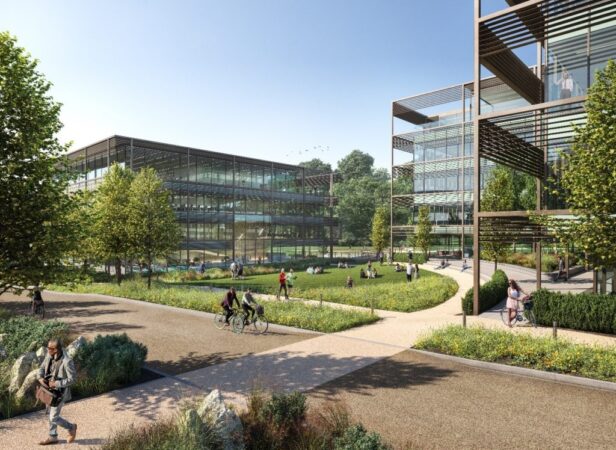
This new public-private partnership is expected to create thousands of new jobs and to become a regional hub for research and innovation. Credit: Ryder Architecture
Teeslink Industrial & Logistics Park, Stockton-on-Tees
Teeslink Industrial & Logistics Park, a new 54-acre employment zone in Eaglescliffe, Stockton, is being delivered by private developer Rula Developments. The scheme will provide 775,000 sq ft of industrial and logistics space, with units ranging from 3,000 to 500,000 sq ft, designed to accommodate a wide range of businesses from small enterprises to large-scale operations. The wider project team includes AJA Architects and ID Planning
The development is supported by £3m in infrastructure funding, helping to prepare the site for the first phase of buildings, which is targeted for occupation by Q3 2026. Once operational, Teeslink is expected to significantly expand logistics capacity in the Tees Valley, addressing growing demand in the sector while creating up to 1,000 jobs for the local area.
With its combination of scale, modern facilities, and strategic location in a key employment corridor, Teeslink is set to be one of the most closely watched industrial and logistics developments in 2026. Investors, occupiers, and local stakeholders will be keeping a close eye on its progress as it promises to be a major driver of economic growth and job creation in the region.
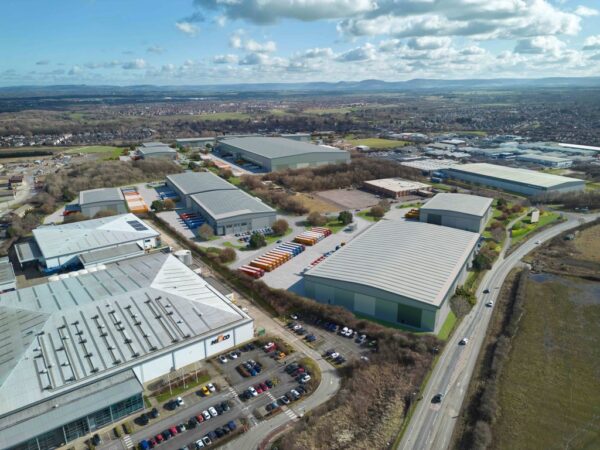
The application was approved in September. Credit: via French PR